Budget-Friendly Home Remodeling Ideas That Add Style And Function

Budget-Friendly Home Remodeling Ideas that improve style, comfort, and function without overspending. Smart upgrades for every room.

Want your home to look expensive without draining your savings account? Many homeowners think remodeling always costs thousands of dollars. The truth is, smart upgrades can completely transform your space on a budget. With the right ideas, you can improve comfort, storage, beauty, and home value at the same time.

Budget-friendly home remodeling ideas focus on affordable upgrades that improve both appearance and usability. Small changes like fresh paint, better lighting, storage solutions, and updated fixtures can make a home feel modern and functional without major construction costs.

✨ Start With A Clear Remodeling Budget

Before buying anything, create a realistic remodeling budget. This step helps you avoid overspending and unnecessary stress later. A simple plan also keeps your project organized from start to finish.

Break your budget into categories like paint, furniture, flooring, and labor. Leave some extra money for unexpected expenses because surprises happen often during renovations. Even small projects can uncover hidden repairs.

Here’s a simple budget planning example:

Remodeling Area

Average Budget Range

Best Low-Cost Upgrade

Kitchen

$500–$3,000

Cabinet Paint

Bathroom

$300–$2,000

New Fixtures

Living Room

$200–$1,500

Lighting Updates

Bedroom

$150–$1,000

Storage Solutions

A smart budget allows you to focus on changes that matter most. Prioritize upgrades that improve daily living instead of chasing expensive trends.

🎨 Refresh Walls With New Paint Colors

Paint is one of the cheapest ways to transform a room instantly. A fresh coat of paint makes old spaces feel clean, bright, and modern. It also hides scratches and wall imperfections.

Neutral colors remain popular because they make rooms appear larger. Shades like soft gray, warm beige, and creamy white work beautifully in almost every space. If you want personality, add bold accent walls instead of painting entire rooms.

Choose washable paint finishes for high-traffic areas. They last longer and make cleaning easier. Matte finishes work well in bedrooms, while satin finishes are ideal for kitchens and bathrooms.

Many readers from a Home Improvement Blog often overlook how powerful paint can be. Yet it consistently delivers one of the best returns on investment for homeowners. 🎨

💡 Upgrade Lighting For A Modern Look

Poor lighting can make even beautiful rooms feel dull and cramped. Updating lighting fixtures instantly changes the mood of your home. Thankfully, this upgrade doesn’t need a huge budget.

Swap outdated ceiling lights with stylish pendant lights or modern LED fixtures. Floor lamps and wall sconces also add warmth without expensive electrical work. Layered lighting creates a cozy and functional atmosphere.

Natural light matters too. Replace heavy curtains with lighter fabrics to brighten rooms naturally. Mirrors can also reflect sunlight and make spaces appear larger.

Here are affordable lighting ideas:

  • LED strip lighting under cabinets

  • Smart bulbs for energy savings

  • Pendant lights over kitchen islands

  • Warm white bulbs for cozy rooms

  • Motion sensor lighting for hallways

Good lighting improves both style and practicality. It makes everyday tasks easier while creating a welcoming environment. ✨

🛋️ Rearrange Furniture For Better Function

Sometimes the best remodeling idea costs absolutely nothing. Rearranging furniture can completely improve traffic flow and functionality in your home. Many rooms simply feel crowded because of poor layouts.

Start by removing oversized furniture pieces you rarely use. Open spaces make rooms appear larger and cleaner. Then position furniture around focal points like fireplaces or windows.

Think about how your family uses the room daily. A living room should encourage conversation and relaxation. Bedrooms should feel calm and organized instead of cluttered.

Small layout changes often make homes feel brand new. You may discover extra space you never noticed before.

🧱 Install Peel-And-Stick Backsplashes

Kitchen remodeling sounds expensive, but affordable updates exist. Peel-and-stick backsplashes are easy to install and instantly modernize kitchens or bathrooms. They come in many stylish designs that mimic real tile.

These backsplash options work great for renters and homeowners alike. Most varieties resist heat and moisture well. Plus, installation requires minimal tools and effort.

Popular styles include:

  1. Subway tile patterns

  2. Marble-look finishes

  3. Rustic wood textures

  4. Metallic designs

  5. Geometric patterns

A backsplash upgrade creates visual interest without major demolition. It’s one of the easiest DIY home improvement projects available today.

🚪 Replace Old Cabinet Hardware

Tiny details often make the biggest difference. Replacing cabinet handles and drawer pulls gives kitchens and bathrooms an updated appearance quickly. This project is affordable and beginner-friendly.

Modern hardware styles include matte black, brushed gold, and stainless steel finishes. Matching hardware throughout the home creates a polished look. Even older cabinets feel newer with updated handles.

Here’s how hardware styles change room aesthetics:

Hardware Finish

Style Effect

Best Room Match

Matte Black

Modern & Bold

Kitchens

Brushed Nickel

Clean & Timeless

Bathrooms

Gold Finish

Elegant & Warm

Bedrooms

Bronze

Rustic & Cozy

Farmhouse Spaces

Measure carefully before purchasing replacements. This avoids extra drilling and unnecessary repairs later.

🪵 Add Open Shelving For Storage And Style

Open shelving combines beauty with function perfectly. It creates storage while displaying decorative items beautifully. Many homeowners use this idea in kitchens, bathrooms, and living rooms.

Floating wooden shelves add warmth and character to blank walls. Use them to display plants, books, dishes, or framed photos. Keep shelves organized to avoid visual clutter.

Budget-friendly shelving materials include reclaimed wood and affordable brackets. DIY shelving projects often cost much less than prebuilt storage furniture.

A well-designed shelf arrangement adds personality while improving organization. That balance makes spaces feel more intentional and stylish.

🛁 Update Bathroom Fixtures On A Budget

Bathrooms don’t require full renovations to look modern. Small fixture upgrades create impressive visual improvements. Replacing faucets, showerheads, and towel bars can refresh the entire space.

Water-saving fixtures also lower utility bills over time. That means your remodeling project can save money long-term. Modern fixtures combine sleek style with better performance.

Simple bathroom upgrades include:

  • New mirror frames

  • Updated vanity lighting

  • Matching towel hooks

  • Fresh shower curtains

  • Waterproof peel-and-stick flooring

Even tiny bathrooms can feel luxurious with thoughtful details. 🛁

🌿 Bring Life Into Rooms With Indoor Plants

Indoor plants make homes feel vibrant and welcoming instantly. They improve air quality while adding natural beauty. Best of all, many affordable plants require little maintenance.

Snake plants, pothos, and peace lilies are beginner-friendly choices. Place plants near windows or empty corners to soften harsh spaces. Hanging planters also add vertical interest.

Plants pair beautifully with modern, rustic, and minimalist interiors alike. They create warmth without overwhelming a room.

A small greenery update often makes remodeled spaces feel complete and lived-in.

🪟 Improve Windows Without Replacing Them

New windows can cost a fortune. Luckily, there are cheaper ways to improve their appearance and efficiency. Window treatments and small upgrades can make a huge difference.

Add weather stripping to reduce drafts and lower energy costs. Paint old window frames for a cleaner appearance. Stylish curtains or bamboo blinds instantly elevate rooms.

Here’s a simple comparison of affordable window improvements:

Upgrade Type

Budget-Friendly?

Main Benefit

Curtain Replacement

Yes

Better Style

Weather Stripping

Yes

Energy Savings

Window Film

Yes

Privacy & UV Protection

Frame Painting

Yes

Fresh Appearance

These upgrades improve both comfort and visual appeal without replacing entire windows.

🍽️ Create A Functional Kitchen Workspace

A beautiful kitchen should also work efficiently. Function matters just as much as appearance during remodeling. Focus on improving how you cook, clean, and move around daily.

Add rolling carts for extra prep space and storage. Use drawer organizers to reduce clutter inside cabinets. Magnetic knife strips free up valuable countertop space.

Simple organization ideas can completely change kitchen functionality. You don’t always need expensive custom cabinetry to improve efficiency.

Many writers contributing to a Home Improvement Guest Post discuss how practical kitchen upgrades often deliver more daily value than luxury upgrades. Smart function always wins in busy households. 🍽️

🛏️ Upgrade Bedrooms Into Relaxing Retreats

Bedrooms should feel peaceful after long, stressful days. Budget-friendly bedroom upgrades can create a relaxing atmosphere without major remodeling costs.

Soft lighting, cozy bedding, and calming paint colors make huge differences. Decluttering also improves sleep quality and overall comfort. A cleaner room feels more spacious instantly.

Affordable bedroom upgrades include:

  • Under-bed storage containers

  • Wall-mounted reading lights

  • New throw pillows

  • Floating nightstands

  • Blackout curtains

Comfort matters more than expensive furniture. Focus on creating a restful environment that supports relaxation.

🧺 Use Multipurpose Furniture In Small Spaces

Small homes need smart storage solutions. Multipurpose furniture helps maximize every inch of available space. It also reduces clutter while improving organization.

Ottomans with hidden storage are incredibly useful in living rooms. Foldable dining tables save space in compact apartments. Beds with built-in drawers create extra storage without taking additional room.

Look for furniture pieces that serve at least two purposes. This approach improves both function and visual simplicity.

Minimal clutter makes homes feel calmer and more spacious. 🧺

🏡 Boost Curb Appeal Without Major Costs

First impressions matter greatly. Your home exterior sets the tone before guests even walk inside. Thankfully, curb appeal upgrades can stay affordable.

Paint the front door a bold color for instant personality. Add solar-powered pathway lights for charm and safety. Fresh mulch and trimmed plants also improve appearances dramatically.

Easy curb appeal ideas include:

  1. Pressure washing sidewalks

  2. Updating house numbers

  3. Adding potted plants

  4. Replacing mailbox hardware

  5. Installing outdoor lighting

These simple upgrades make homes look more inviting and well-maintained.

🔨 Try DIY Projects To Save Money

DIY remodeling projects can significantly lower renovation costs. Many beginner-friendly upgrades require only basic tools and patience. Online tutorials also make learning easier than ever.

Start small with painting, shelving, or hardware replacements. Avoid complex electrical or plumbing work unless you have experience. Safety should always come first during home projects.

Benefits of DIY remodeling include:

  • Lower labor costs

  • More creative control

  • Personal satisfaction

  • Flexible timelines

  • Skill development

Even simple DIY efforts can create meaningful improvements around your home. 🔨

🧹 Declutter Before Buying Anything New

Clutter often hides a home’s true potential. Before purchasing décor or furniture, remove unnecessary items first. A cleaner space instantly feels bigger and more organized.

Sort belongings into keep, donate, and discard piles. Focus on items you truly use or love. Organized homes naturally appear more stylish and functional.

Storage baskets, drawer dividers, and labeled containers help maintain order long-term. Consistent organization prevents clutter from returning quickly.

Sometimes the most affordable remodeling solution is simply owning less stuff.

📦 Add Smart Storage Throughout The Home

Storage upgrades improve daily life dramatically. Homes feel calmer when everything has a designated place. Smart storage solutions also reduce visible clutter.

Use vertical wall space whenever possible. Tall shelves, hanging organizers, and over-door storage maximize smaller rooms efficiently. Hidden storage furniture also works beautifully in family homes.

Creative storage ideas include:

  • Bench seating with storage

  • Floating entryway shelves

  • Closet hanging organizers

  • Stackable bins

  • Garage pegboards

Functional storage makes homes easier to clean and enjoy every day.

🧡 Mix Style And Function For Lasting Results

The best remodeling ideas balance beauty with practicality. Stylish spaces should still support real daily living. Focus on upgrades that improve comfort, organization, and convenience together.

Trendy designs come and go quickly. Timeless improvements usually provide better long-term value. Neutral foundations also make future decorating easier and cheaper.

Think carefully before making large purchases. Ask yourself whether the upgrade truly improves your lifestyle or simply follows a trend.

A thoughtful remodeling plan creates a home that feels both beautiful and functional for years ahead.

Conclusion

Budget-friendly home remodeling doesn’t require massive loans or expensive contractors. Small, intentional upgrades can dramatically improve how your home looks and functions. Fresh paint, better lighting, smart storage, and simple DIY projects all create meaningful changes without overspending.

The key is focusing on improvements that make daily life easier and more enjoyable. Prioritize comfort, organization, and timeless style over temporary trends. With creativity and planning, you can build a home that feels modern, welcoming, and practical while staying within budget. 🏡

FAQs

What Are Cheap Ways To Remodel A Home?

Painting walls, updating lighting, and replacing cabinet hardware are affordable upgrades. These projects improve style quickly without major construction. DIY work can reduce costs even more.

How Can I Remodel My Kitchen Cheaply?

Paint cabinets instead of replacing them completely. Add peel-and-stick backsplashes and better lighting for a modern look. Organizing storage also improves kitchen function instantly.

Which Remodeling Adds The Most Value?

Kitchen and bathroom updates usually provide strong returns. Energy-efficient improvements also attract buyers. Simple curb appeal upgrades can increase value significantly.

Can Small Homes Look Luxurious Cheaply?

Yes, smart lighting and clutter-free layouts make homes feel expensive. Neutral colors and stylish décor also help greatly. Multipurpose furniture improves both style and function.

What Is The Cheapest DIY Home Upgrade?

Painting is often the most affordable DIY upgrade available. It changes room appearance quickly with minimal tools. Even beginners can achieve impressive results easily.
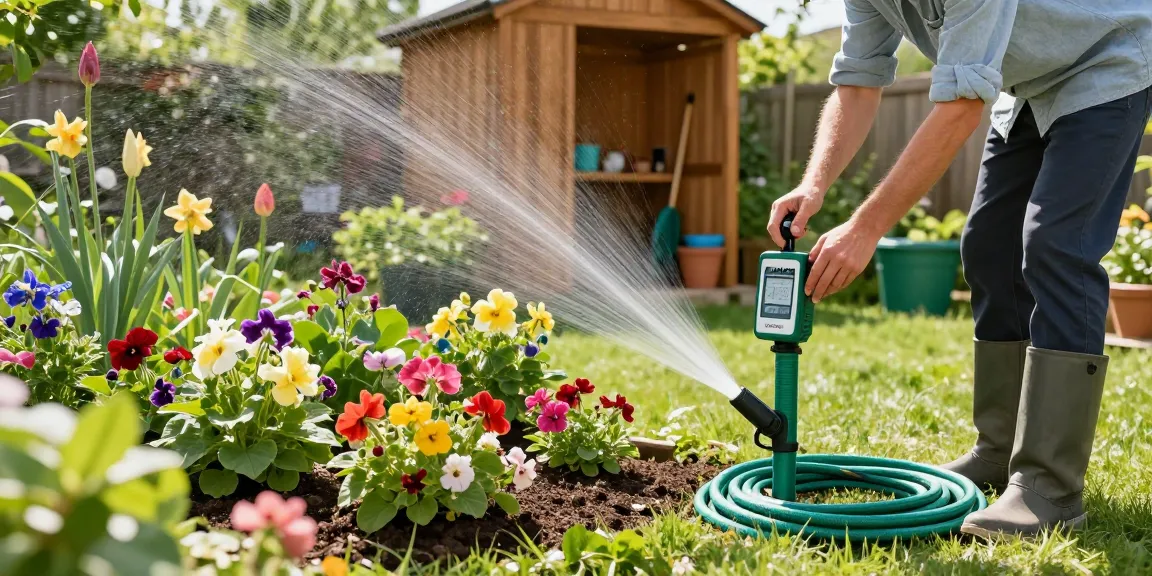
Gardener using a rainpoint water timer for efficient watering in a blooming garden.

Pocket Guide to RainPoint Water Timer: Quick Tips for Garden Enthusiasts

Understanding the RainPoint Water Timer

The rainpoint water timer is revolutionizing the way gardening enthusiasts maintain their green spaces. With a focus on automated watering solutions, these timers not only simplify irrigation but also conserve water while ensuring optimal plant health. As we face increasingly unpredictable weather patterns, the importance of effective watering systems becomes paramount, and products like RainPoint offer invaluable assistance.

What is a RainPoint Water Timer?

A RainPoint water timer is an intelligent device designed to automate the watering process in gardens, lawns, and potted plants. By allowing users to schedule watering times and durations, these timers eliminate the need for manual watering, which can be time-consuming and inefficient. RainPoint offers various models, each equipped with advanced features tailored to different gardening needs.

Key Features of RainPoint Water Timer

  • Wi-Fi Connectivity: Most RainPoint water timer models can connect to Wi-Fi, enabling users to control watering schedules through a mobile app from anywhere.
  • Soil Moisture Sensors: These sensors measure the moisture level in the soil, ensuring that plants only receive water when necessary, thus preventing overwatering.
  • Multiple Zone Control: Users can control multiple zones separately, providing flexibility for different types of plants in various areas of the garden.
  • User-Friendly Interface: An intuitive display and mobile app allow for easy setup and real-time monitoring.

Benefits for Garden Maintenance

The benefits of using a RainPoint water timer extend beyond mere convenience; they play a crucial role in efficient garden management. Gardeners can experience significant time savings, allowing them to spend more time enjoying their outdoor spaces rather than maintaining them. Moreover, with precise water usage tracking, users can reduce water waste, leading to lower utility bills and contributing to environmental sustainability.

Setting Up Your RainPoint Water Timer

Easy Installation Process

Setting up your RainPoint water timer is a straightforward process that typically requires minimal tools. Most models come with comprehensive manuals that guide users through the installation steps. Generally, the timer connects directly to an outdoor faucet, where hoses can be attached to deliver water to garden beds or specific plants.

Connecting to Wi-Fi and Mobile Apps

Connecting your RainPoint water timer to Wi-Fi is crucial for accessing its smart features. Users need to download the RainPoint app, create an account, and follow the prompts to sync the device with their home network. This connectivity allows for easy adjustments and monitoring directly from a smartphone, making gardening even more convenient.

Configuring Watering Schedules

Once installed and connected, users can configure their watering schedules according to their plants’ needs. The app allows for the adjustment of times, durations, and frequency of watering, ensuring that gardeners can cater to specific plant requirements without hassle.

Optimizing Water Usage with Smart Technology

How RainPoint Saves Water and Money

With advanced features like automatic weather adjustments, the RainPoint water timer significantly reduces water consumption. For instance, if rain is forecasted, the timer can skip scheduled watering, saving water and money. Over time, users often find that their water bills decrease substantially due to the efficiency of their automated watering systems.

Understanding Soil Moisture Sensors

The incorporation of soil moisture sensors allows the RainPoint water timer to deliver water only when the soil is dry. This feature is particularly beneficial for plants that are sensitive to overwatering, as it ensures they receive the right amount of hydration without the risk of root rot.

Adapting Watering Based on Weather Conditions

RainPoint timers can adapt to changing weather patterns by utilizing live weather feeds. This means that if it has rained recently, the timer can adjust its schedule accordingly. Such adaptability not only saves water but also fosters healthier plant growth by maintaining optimal soil conditions.

Common Issues and Troubleshooting

Connecting Issues with Wi-Fi

Although connecting to Wi-Fi is generally simple, some users may encounter issues. Common solutions include ensuring that the device is within range of the router and confirming the correct password is entered during setup. If problems persist, resetting the device may resolve connectivity issues.

Maintenance and Care Tips

To ensure longevity and optimal functionality, regular maintenance of the RainPoint water timer is essential. This includes cleaning the sensors, checking the hoses for leaks, and updating the software via the app to access the latest features and improvements.

Understanding Timer Settings and Functions

Users should familiarize themselves with the various settings and functions of their RainPoint water timer. This understanding not only enhances usability but also allows garden enthusiasts to customize their watering strategies effectively. Consulting the manual and utilizing online resources can be immensely helpful for troubleshooting and maximizing the timer’s potential.

Looking Ahead: The Future of Gardening Technology

Emerging Trends in Smart Watering Solutions

The gardening technology landscape is evolving rapidly, with innovations aimed at making garden maintenance smarter and more efficient. Emerging trends include the integration of AI and machine learning, which can analyze plant health and adjust watering schedules dynamically. This proactive approach to gardening will empower plant lovers to achieve even greater results.

Case Studies: Success Stories with RainPoint

Numerous gardeners have reported significant improvements in their garden health and water efficiency after adopting RainPoint technology. From lush flower beds to thriving vegetable patches, the success stories highlight how effective these timers can be in fostering a sustainable gardening environment.

Preparing for Sustainable Gardening in 2026

As the world continues to face environmental challenges, sustainable gardening practices will only become more crucial. The integration of smart technologies like the RainPoint water timer will play a pivotal role in facilitating eco-friendly practices, enabling gardeners to thrive amidst a changing climate. With an increasing focus on water conservation and plant health, investing in such technologies is not just smart; it’s necessary.

What are the best features of the RainPoint water timer?

Some of the best features of the RainPoint water timer include its Wi-Fi connectivity, customizable watering schedules, and moisture sensors. These features collectively ensure that plants receive the optimal amount of water at the right times, promoting healthier growth and saving resources.

How do I troubleshoot Wi-Fi connectivity issues with my RainPoint water timer?

To troubleshoot Wi-Fi connectivity issues, check the distance between the timer and your router, ensure the correct password is entered, and look for any interference in the signal. Resetting the device may also help restore the connection.

Can the RainPoint water timer help reduce water usage?

Yes, the RainPoint water timer is designed to minimize water usage through its intelligent features, including moisture sensors and weather-based adjustments. Users can expect to see a notable reduction in their water bills as the timer optimizes irrigation patterns.

What are the differences between the RainPoint models?

RainPoint offers various models designed for different needs. Key differences can include the number of zones controlled, presence of integrated sensors, and overall smart technology capabilities. Evaluating these factors can help garden enthusiasts choose the right model for their specific requirements.

How do I clean and maintain my RainPoint water timer?

Cleaning and maintaining your RainPoint water timer involves regularly checking the sensors for debris, ensuring the hoses are free of leaks, and updating the software through the app. Such maintenance ensures the device continues to operate efficiently.

Smart Irrigation Systems That Actually Save Water and Money

Watering Gets Intelligent

Smart irrigation has evolved far beyond simple timers. Modern systems use soil moisture sensors, hyperlocal weather forecasts, and plant-specific databases to deliver precisely the right amount of water at the optimal time. Homeowners report water savings of 40 to 60 percent compared to traditional sprinkler schedules.

Easy Installation for Every Yard

Unlike early smart irrigation products that required professional installation, current systems are designed for DIY setup. Wireless soil sensors, app-controlled valve controllers, and drip line kits that connect to standard garden hoses make the technology accessible to renters and homeowners alike.

Integration with Smart Home Ecosystems

These systems now integrate with platforms like Home Assistant, Apple HomeKit, and Google Home. Your irrigation adjusts automatically when rain is forecast, pauses when you are entertaining outdoors, and provides monthly usage reports that track savings over time.

A beautiful garden and responsible water usage are no longer mutually exclusive goals.

10 Expert Tips for Designing Your Dream Home and Garden

Fundamentals of Home and Garden Design

Designing your home and garden is more than just an aesthetic endeavor; it’s about creating a harmonious environment that reflects personal style while meeting functional needs. Understanding the fundamentals of design allows you to transform spaces into inviting and productive areas.

Understanding Landscape Design Principles

Landscape design is the art of arranging the outside environment to create an aesthetically pleasing and functional area. Key principles include balance, proportion, and unity. Balance, for instance, can be achieved through symmetrical or asymmetrical arrangements of plants and structures. Proportion involves the relationship between different elements, ensuring that larger plants do not overpower smaller ones. Unity ties the design together, creating a cohesive look.

To illustrate, a well-designed garden might feature a pathway that leads to a focal point, such as a statue or a water feature, paired with plantings that complement the overall theme. For example, a Mediterranean garden might incorporate lavender, olive trees, and terracotta pots to create a warm, inviting atmosphere.

  • Balance: Use symmetry for formal gardens and asymmetry for more relaxed, natural settings.
  • Proportion: Choose plants of varying heights and sizes to create visual interest.
  • Unity: Select a color palette or theme that runs through your design.

Choosing the Right Plants for Your Climate

Selecting plants that thrive in your local climate is crucial for a successful garden. Understanding your hardiness zone helps you choose plants that will survive and flourish in your environment. For instance, USDA Hardiness Zones provide a guideline based on minimum winter temperatures, allowing gardeners to select plants that can withstand local conditions.

Consider native plants as they are adapted to the local environment and require less maintenance. For example, if you live in the southeastern United States, incorporating plants like the Eastern Redbud or Southern Magnolia can enhance your garden’s beauty while supporting local wildlife.

  • Research local conditions: Understand soil type, rainfall, and sunlight availability.
  • Choose native species: They require less water and are more resilient to pests.
  • Consider seasonal interest: Select plants that bloom at different times for year-round beauty.

Basic Home Decor Elements That Enhance Space

Home decor is pivotal in creating a welcoming atmosphere. The right elements can dramatically enhance your space. Start with color schemes; colors can influence mood and perception of space. Light colors tend to make rooms feel larger, while darker shades can add warmth and intimacy.

Furniture arrangement is another critical aspect. Arranging furniture to promote conversation and flow can significantly affect how a space is perceived. Additionally, incorporating textures and materials, such as wood, fabric, and metal, adds depth and interest. For example, a room with soft textiles, natural wood accents, and metallic fixtures can create a balanced and inviting space.

  • Color Schemes: Use light colors for small rooms to create the illusion of space.
  • Furniture Arrangement: Ensure pathways are clear and promote interaction.
  • Textures and Materials: Mix different materials for a more dynamic look.

Essential Gardening Techniques for Beginners

Starting a garden can be an incredibly rewarding experience. By understanding essential gardening techniques, beginners can cultivate a flourishing garden that not only beautifies their space but also provides food, herbs, and a sense of accomplishment.

Soil Preparation and Its Importance

Soil is the foundation of any garden, and proper soil preparation is crucial for plant health. Begin by testing your soil to understand its pH and nutrient levels. Many local extension services offer soil testing kits. Based on the results, you can amend your soil with organic matter, such as compost, to improve its structure and fertility.

Here’s a simple step-by-step guide to prepare your soil:

  1. Clear the area of weeds and debris.
  2. Test the soil for pH and nutrients.
  3. Add organic matter like compost or well-rotted manure.
  4. Till or turn the soil to mix amendments evenly.
  5. Level the soil and create planting beds.

Watering Methods and Best Practices

Watering is a fundamental aspect of gardening and can significantly affect plant growth. Understanding the best practices for watering ensures that plants receive adequate moisture without overwatering, which can lead to root rot and other issues. Early morning is generally the best time to water, allowing plants to absorb moisture before the heat of the day evaporates it.

Consider the following watering methods:

  • Drip Irrigation: Efficiently delivers water directly to the plant roots.
  • Soaker Hoses: A great option for garden beds, allowing slow absorption of moisture.
  • Hand Watering: Ideal for small gardens, allowing you to monitor water levels closely.

Introduction to Organic Gardening

Organic gardening emphasizes sustainability and environmental stewardship. This approach avoids synthetic fertilizers and pesticides, opting instead for natural alternatives. Organic gardening not only promotes healthier plants but also creates a safer environment for wildlife and beneficial insects.

Begin your organic garden by following these principles:

  • Soil Health: Focus on building healthy soil through composting and mulching.
  • Pest Management: Use companion planting and natural predators to control pests.
  • Crop Rotation: Rotate crops yearly to prevent soil depletion and reduce pest buildup.

Intermediate Home Improvement Projects

Once you’ve mastered the basics of home and garden design, you may want to tackle more intermediate home improvement projects. These projects not only enhance the functionality of your space but also increase property value.

Creating a Functional Outdoor Living Space

Outdoor living spaces extend your home’s usable area and encourage family gatherings, relaxation, and entertainment. To create a functional outdoor space, start by defining the area with landscaping, patios, or decks. Consider adding comfortable seating and a dining area to make it inviting.

Lighting is also essential; string lights or lanterns can add ambiance for evening gatherings. Incorporate elements like fire pits or outdoor kitchens for added functionality. A well-designed outdoor space can serve as an extension of your home.

  • Define the space: Use landscaping or furniture to create separate areas.
  • Add comfort: Include cushions, rugs, and blankets for a cozy atmosphere.
  • Implement lighting: Use a mix of ambient and task lighting for versatility.

Upcycling Furniture for Home Decor

Upcycling furniture is both an eco-friendly and cost-effective way to revamp your home decor. Transforming old furniture into new, functional pieces not only adds character to your space but also allows for personal expression. Start by choosing pieces that have good bones but might need a little TLC.

For example, an old dresser can be sanded down, painted, and converted into a chic TV stand. Consider these steps for successful upcycling:

  1. Select a piece with potential.
  2. Clean and prepare it for refinishing.
  3. Choose a color or finish that complements your decor.
  4. Consider adding new hardware for a modern touch.
  5. Seal the piece to protect it from wear and tear.

Implementing Smart Home Technology in Your Garden

Integrating smart home technology into your garden can enhance convenience and efficiency. From automated irrigation systems to smart lighting, technology can help streamline maintenance and improve plant care. For instance, smart sprinkler systems can adjust watering schedules based on weather forecasts, conserving water while ensuring plants receive adequate moisture.

Here are some smart gardening technologies to consider:

  • Smart Irrigation Controllers: Adjust watering schedules based on rainfall and humidity levels.
  • Soil Moisture Sensors: Monitor soil moisture levels to prevent overwatering.
  • Smart Garden Lights: Control lighting through an app for outdoor ambiance.

Advanced Landscaping Strategies

For those looking to take their landscaping skills to the next level, advanced strategies can lead to stunning outdoor spaces that are both beautiful and sustainable. These strategies often require in-depth knowledge of plants, environmental considerations, and design principles.

Designing Sustainable Gardens with Native Plants

Sustainable gardening practices emphasize the use of native plants, which are adapted to local conditions and support local ecosystems. Native plants often require less water and maintenance, making them an eco-friendly choice. When designing a sustainable garden, consider incorporating a variety of native species that provide habitat and food for local wildlife.

To create a sustainable garden:

  • Research local flora: Identify native plants that thrive in your area.
  • Diversity is key: Incorporate a mix of plants to support various wildlife.
  • Plan for growth: Consider how plants will grow and change over the seasons.

Integrating Water Features for Aesthetic and Ecological Benefits

Water features can enhance the beauty of your landscape while providing ecological benefits, such as attracting wildlife. Ponds, fountains, and waterfalls can create a focal point in your garden and offer soothing sounds that enhance the outdoor experience. Additionally, water features can support biodiversity by providing habitats for aquatic plants and animals.

When designing a water feature, consider:

  • Size and Scale: Ensure the water feature is proportional to the surrounding landscape.
  • Placement: Position the feature where it can be easily viewed and accessed.
  • Maintenance: Plan for regular maintenance to keep the feature clean and functional.

Advanced Irrigation Systems for Efficient Water Use

Advanced irrigation systems can significantly improve water efficiency in your garden. Drip irrigation and smart irrigation systems can deliver water directly to the roots of plants, minimizing waste. These systems can be programmed to adjust based on weather conditions, ensuring that plants receive just the right amount of water.

Implementing an advanced irrigation system involves:

  1. Assessing your garden layout to determine the best system.
  2. Choosing a system that fits your needs, whether drip, sprinkler, or smart technology.
  3. Installing the system according to manufacturer guidelines.
  4. Regularly monitoring and adjusting settings for optimal performance.

Seasonal Home and Garden Maintenance

Maintaining your home and garden throughout the seasons is essential for preserving their beauty and functionality. Seasonal maintenance tasks help prepare your space for upcoming weather changes, ensuring that both your indoor and outdoor environments remain inviting and healthy.

Preparing Your Home for Seasonal Changes

As seasons change, so do the needs of your home. Preparing your home for seasonal changes can prevent damage and improve energy efficiency. In the fall, for example, it’s essential to clean gutters and check for drafts to keep your home warm during winter. In the spring, consider inspecting your roof and windows for any damage that may have occurred over the winter.

Here are some seasonal preparation tips:

  • Fall: Clean gutters, check insulation, and seal windows and doors.
  • Winter: Ensure heating systems are functioning and check for pipe insulation.
  • Spring: Inspect for winter damage and prepare gardens for planting.
  • Summer: Maintain air conditioning units and prepare for outdoor entertaining.

Seasonal Planting and Harvesting Calendar

Understanding when to plant and harvest is crucial for maximizing your garden’s productivity. Each season presents unique opportunities for planting various vegetables, herbs, and flowers. A planting calendar can help you plan your garden efficiently. For instance, in early spring, you might plant peas, spinach, and onions, while summer is ideal for tomatoes, peppers, and cucumbers.

Consider this seasonal planting guide:

  • Spring: Peas, lettuce, radishes, and carrots.
  • Summer: Tomatoes, peppers, cucumbers, and squash.
  • Fall: Kale, broccoli, and garlic.
  • Winter: Plan for indoor herbs or cold frames for winter crops.

Winterizing Your Garden: Tips and Techniques

Winterizing your garden is essential to protect plants from harsh weather conditions. Preparing your garden for winter involves several steps to ensure its health come spring. Start by trimming back perennials and removing dead foliage to prevent disease. Mulching can provide insulation for roots and help retain moisture.

Follow these steps to winterize your garden:

  1. Clean up debris and fallen leaves to prevent pests.
  2. Cut back perennials and divide overcrowded plants.
  3. Add mulch to protect roots and suppress weeds.
  4. Consider covering delicate plants with burlap or a frost blanket.