
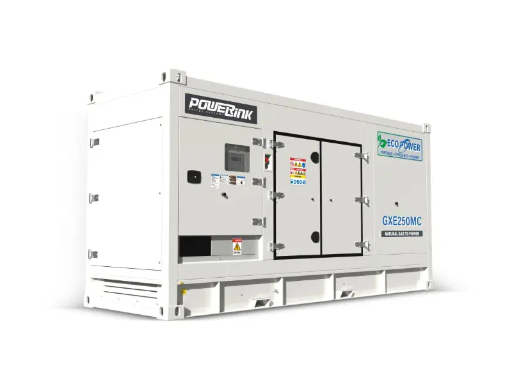
Industrial businesses rely on large amounts of energy to operate machinery, maintain production processes, and support daily activities. However, traditional energy systems often lose valuable heat during electricity generation, creating unnecessary waste and higher operating expenses. To overcome these challenges, many industries are adopting Combined Heat and Power (CHP) systems, gas engine generator as an efficient energy solution.
CHP technology allows facilities to generate electricity and useful heat from the same fuel source. By improving fuel utilization and reducing energy losses, CHP systems help industrial operations achieve greater efficiency, reliability, and long-term cost savings.
Understanding the Role of CHP in Industrial Energy Management
Combined Heat and Power, also known as cogeneration, is an integrated system that produces electrical power and thermal energy simultaneously. Instead of generating electricity and heat separately, CHP captures the heat created during power production and redirects it for useful applications.
A modern CHP system commonly uses a gas engine generator to produce electricity. The recovered heat can then be used for heating processes, hot water production, or other industrial requirements. This combined approach makes energy usage more effective compared to conventional systems.
Why Energy Efficiency Matters in Industrial Operations
Industrial facilities face increasing pressure to control energy costs while maintaining productivity. Energy consumption is often one of the largest operating expenses, especially in industries that require continuous power and heat.
Inefficient energy systems can lead to:
- Higher fuel consumption
- Increased operational costs
- Greater energy waste
- Reduced production efficiency
- Unnecessary environmental impact
CHP systems address these issues by maximizing the value of every unit of fuel used.
Key Ways CHP Systems Improve Efficiency
Better Fuel Utilization
One of the main benefits of CHP technology is improved fuel efficiency. Traditional power generation methods often release unused heat into the environment. CHP systems recover this heat and convert it into a valuable energy source.
A gas powered generator integrated into a CHP setup can provide reliable electricity while supporting heating needs at the same time. This reduces the requirement for separate energy systems and improves overall resource utilization.
Reduced Energy Losses
When electricity is produced at a centralized power station, energy can be lost during transmission and distribution. CHP systems generate power directly at the facility where it is needed, reducing these losses.
On-site energy production allows industries to have greater control over their power supply while improving system performance.
Lower Operating Expenses
Energy efficiency directly affects business profitability. By using one system to produce both electricity and heat, industries can reduce fuel costs and decrease their dependence on external energy sources.
Over time, CHP systems can provide significant financial advantages through reduced utility expenses and improved operational efficiency.
Improved Reliability and Power Availability
Many industrial processes cannot tolerate unexpected power interruptions. CHP systems provide a dependable energy source that helps facilities maintain continuous operations.
Whether used as a primary power solution or combined with other energy systems, CHP technology supports stable performance during changing energy conditions.
Industrial Applications of CHP Technology
CHP systems are suitable for many industries where electricity and thermal energy are required together. Common applications include:
- Manufacturing plants
- Chemical processing facilities
- Food production industries
- Pharmaceutical operations
- Hospitals and healthcare facilities
- Commercial buildings
- Data centers
- Large-scale production units
These industries benefit from CHP because they require consistent energy supply and efficient heat management.
Selecting the Right CHP System for Your Facility
Choosing an appropriate CHP system requires careful evaluation of energy requirements, operating conditions, and future goals. Factors such as facility size, power demand, fuel availability, and maintenance needs should be considered before installation.
A properly designed CHP solution should provide reliable output, efficient fuel consumption, and easy maintenance. Advanced monitoring technologies also help operators track system performance and improve energy management.
The Future of Industrial Energy Efficiency
As businesses continue focusing on sustainability and operational improvements, CHP systems are becoming an essential part of modern energy strategies. Their ability to reduce waste, improve efficiency, and support reliable power generation makes them a valuable solution for industrial facilities.
With continued advancements in technology, gas powered generator will help industries create more efficient and responsible energy environments.
Conclusion
CHP systems provide a practical way for industrial operations to improve energy efficiency by producing electricity and heat together. By reducing energy losses, lowering costs, and increasing reliability, these systems support the changing needs of modern businesses.
Whether powered by a gas engine generator or another advanced energy technology, CHP solutions help industries achieve better performance while making smarter use of their resources.