
Understanding Common Eye Conditions
Each year, millions of people worldwide experience vision problems that can significantly affect their daily lives. Among these issues, central vision loss and presbyopia stand out as common yet often misunderstood conditions. Understanding these eye ailments empowers individuals to seek appropriate treatment and maintain optimal eye health. In this article, we will delve deep into the intricacies of central vision loss, presbyopia, and other related eye disorders, shedding light on their symptoms, diagnoses, and the modern treatment options available, including insights from experts like 湯文傑.
What is Central Vision Loss?
Central vision loss refers to the inability to see fine details within the direct line of sight. This condition can stem from various underlying issues, including age-related macular degeneration (AMD), diabetic retinopathy, and retinal detachment. Individuals affected by central vision loss may find everyday tasks such as reading, driving, and recognizing faces increasingly challenging.
Age-related macular degeneration is especially prevalent, affecting a significant portion of the elderly population. This degenerative condition leads to damage in the macula, the part of the retina responsible for clear vision. Early detection through regular eye exams is crucial, as timely intervention can help manage symptoms and slow the progression of vision loss.
Exploring Presbyopia and Its Impact
Presbyopia, commonly known as “aging eyes,” typically manifests around the age of 40. This gradual loss of the eye’s ability to focus on nearby objects occurs due to the hardening of the lens within the eye. People with presbyopia may experience difficulties reading small print, working on a computer, or engaging in other close-up activities without the assistance of reading glasses or other vision aids.
As technology and lifestyle continue to evolve, presbyopia is becoming increasingly relevant, given that many people now work extensive hours on digital devices. Innovations in eyewear, such as multifocal and progressive lenses, are available to help alleviate the symptoms of presbyopia, making daily tasks more manageable for those affected by this common condition.
Common Eye Disorders: Symptoms and Diagnoses
Aside from central vision loss and presbyopia, several other eye disorders warrant attention. Understanding the symptoms and potential diagnoses of these conditions is paramount in promoting early intervention and effective management strategies. Here are some common eye disorders:
- Cataracts: Characterized by clouding of the eye’s natural lens, cataracts can lead to blurred vision and difficulty seeing at night.
- Glaucoma: Often referred to as the “silent thief of sight,” glaucoma is a group of eye conditions that can damage the optic nerve, leading to vision loss.
- Diabetic Retinopathy: A complication of diabetes, this condition affects the blood vessels in the retina, potentially resulting in vision impairment or blindness.
- Dry Eye Syndrome: This condition occurs when the eyes do not produce enough tears or the right quality of tears, leading to discomfort and potential vision problems.
Regular eye exams conducted by eye care professionals like 湯文傑 can aid in the early detection and treatment of these disorders, ultimately preserving visual health.
Innovative Treatments for Eye Conditions
The field of ophthalmology has witnessed remarkable advancements in recent years, particularly concerning treatments for eye conditions such as presbyopia and cataracts. As technology evolves, so do the options available to patients seeking relief from vision problems. This section will explore innovative treatments currently transforming the landscape of eye care.
Benefits of Laser Surgery for Presbyopia
Laser surgery has emerged as a popular option for treating presbyopia, with procedures such as LASIK and Conductive Keratoplasty (CK) gaining traction among individuals seeking clearer vision. LASIK involves the reshaping of the cornea to improve focus, while CK uses radiofrequency energy to alter the curvature of the cornea. Patients often report significant improvements in their near vision after undergoing these procedures, allowing for a more active and engaged lifestyle.
Revolutionary Advances in Cataract Surgery
Cataract surgery has evolved dramatically over the past few decades. Traditionally, cataract surgery involved the removal of the clouded lens, followed by the insertion of a fixed-focus intraocular lens (IOL). Today, advanced techniques such as femtosecond laser-assisted cataract surgery offer enhanced precision and efficiency, resulting in quicker recovery times and improved visual outcomes for patients.
Moreover, new categories of IOLs, including multifocal and accommodating lenses, provide patients with greater flexibility in vision correction. These innovations allow patients to regain clear vision at various distances, minimizing the reliance on glasses post-surgery.
Understanding SMILE Laser Correction
SMILE (Small Incision Lenticule Extraction) is another innovative laser vision correction procedure designed particularly for myopia and astigmatism. This minimally invasive method involves creating a thin disc of tissue within the cornea, which is then removed through a small incision. SMILE’s advantages include reduced postoperative discomfort and a quicker recovery compared to traditional LASIK techniques.
As patients explore their options, consulting with experienced professionals, such as 湯文傑, can provide valuable insights into the most suitable treatment plans tailored to individual needs.
Importance of Regular Eye Exams
Regular eye exams play a crucial role in maintaining eye health and preventing the progression of various eye conditions. Unfortunately, many individuals neglect their eye health, often until a problem arises. Understanding how often to see an eye doctor and what to expect during an eye exam can alleviate apprehensions and encourage proactive eye care.
How Often Should You See an Eye Doctor?
Generally, adults should have their eyes examined every two years unless they have existing eye conditions or risk factors that require more frequent visits. Individuals over 60 and those with chronic conditions like diabetes or hypertension should prioritize annual eye exams. Children should also have their first eye exam by age 1, followed by further assessments as recommended by their pediatrician.
What to Expect During Your Eye Exam?
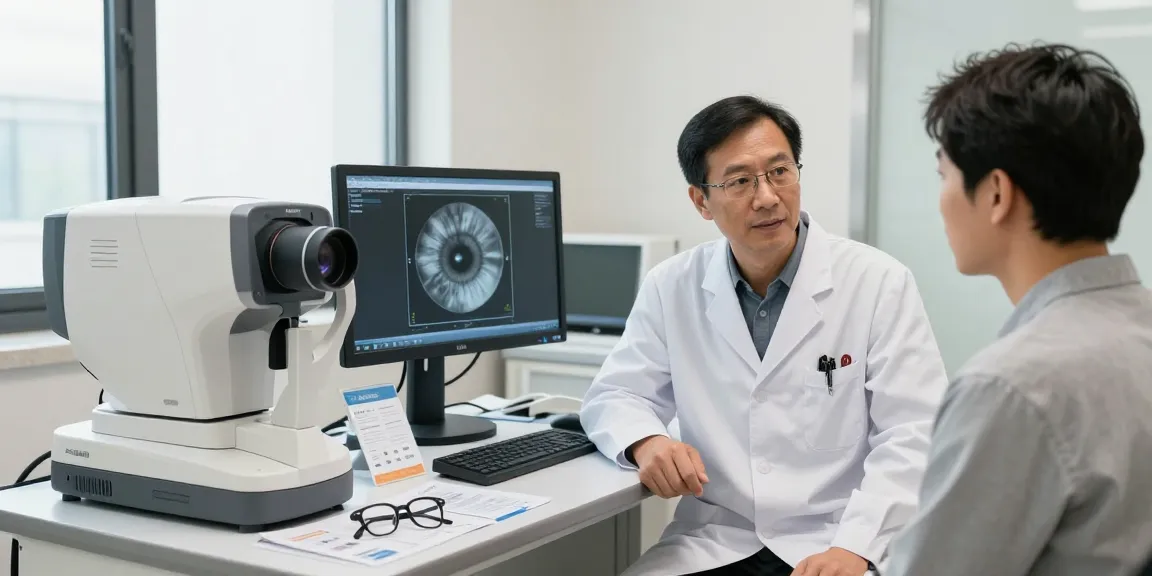
During a comprehensive eye exam, an eye care professional will assess vision clarity, eye movement, and overall ocular health. Common tests include refraction assessments to determine glasses prescriptions, tonometry to check intraocular pressure (important for detecting glaucoma), and dilated eye exams to inspect the retina and macula for abnormalities.
Patients should openly communicate any concerns with their eye care specialist to ensure that all aspects of eye health are addressed.
Key Tests and Scans for Eye Health
In the pursuit of comprehensive eye health, several key tests are utilized to provide insight into ocular conditions:
- Visual Acuity Test: Measures how well individuals can see at various distances.
- Retinal Imaging: Offers detailed pictures of the retina to identify early signs of eye diseases.
- Pupil Response Test: Evaluates how pupils respond to light and can indicate neurological health.
- Visual Field Testing: Assesses peripheral vision and detects potential vision loss or issues with the optic nerve.
Eyewear Solutions for Vision Problems
For many individuals experiencing vision problems, eyewear solutions serve as practical and effective means for restoration. From prescription glasses to advanced smart glasses, understanding the available options can help improve quality of life and daily functioning.
How Smart Glasses Enhance Daily Life
Smart glasses have emerged as revolutionary tools for enhancing vision and providing real-time information. For individuals with low vision or specific visual impairments, smart glasses equipped with augmented reality (AR) features can magnify objects, provide contrast enhancements, and even read text aloud, enabling users to maintain independence and confidence.
As this technology continues to grow, smart glasses represent a promising avenue for individuals seeking innovative solutions to everyday visual challenges.
Choosing the Right Prescription Glasses
When selecting prescription glasses, it’s crucial to consider factors such as frame style, lens type, and personal comfort. Consultations with an eye care professional can provide insights into which lenses are best suited for specific conditions, be it single-vision, bifocal, or progressive lenses.
Additionally, understanding lens coatings—such as anti-reflective or blue light filtering—can enhance the overall experience, especially for those who spend significant time on screens.
Trends in Low Vision Aids for the Elderly
As the population ages, the demand for low vision aids continues to rise. Devices such as magnifiers, specialized glasses, and digital reading aids are gaining popularity among the elderly to assist with reading, navigating, and performing daily tasks. These tools can significantly enhance quality of life when coupled with regular eye care and consultation from professionals like 湯文傑.
Future Trends in Ophthalmology
The future of eye care is promising, with emerging technologies poised to revolutionize treatments and enhance patient experiences. In this section, we will explore upcoming advancements in the field of ophthalmology and their potential implications for patients and practitioners alike.
Emerging Technologies in Eye Care
From artificial intelligence in diagnosis to telemedicine consultations, new developments are reshaping how ophthalmic care is delivered. AI algorithms can analyze retinal images for early signs of disease more accurately than the human eye, allowing for quicker diagnoses and treatment plans.
Additionally, telemedicine has become increasingly relevant, particularly in the wake of the pandemic. Remote consultations empower patients to receive professional assessments from experts without needing to travel, thus facilitating easier access to care.
Predictions for Eye Health Innovations in 2026
Looking ahead to 2026, the landscape of ophthalmology may see the introduction of advanced gene therapies for inherited eye disorders and the proliferation of wearable technology designed for continuous eye health monitoring. These innovations could redefine proactive eye health approaches, enabling individuals to manage their vision needs more effectively than ever before.
How Will Telemedicine Shape Eye Care?
Telemedicine is set to play a transformative role in eye care, reducing barriers to access and empowering patients. Virtual consultations will likely complement traditional exams, allowing eye care specialists to provide timely advice and treatment recommendations based on individual needs.
What are the Best Practices for Eye Care?
Maintaining good eye health requires a proactive approach. Here are some best practices to follow:
- Schedule Regular Eye Exams: Prioritize eye exams to catch any potential issues early.
- Practice Good Screen Habits: Follow the 20-20-20 rule (every 20 minutes, look at something 20 feet away for 20 seconds).
- Eat a Healthy Diet: Include foods rich in vitamins A, C, and E, omega-3 fatty acids, and antioxidants.
- Protect Your Eyes: Wear sunglasses with UV protection and use appropriate eyewear for sports or hazardous tasks.
How to Manage Eye Health as You Age?
As individuals age, it becomes increasingly important to adopt strategies that support eye health. Regular screenings for conditions common among older adults, such as glaucoma and cataracts, coupled with lifestyle changes, can help mitigate risks. Maintaining a balanced diet and staying physically active further contribute to overall well-being.
Can Dietary Choices Improve Vision?
Yes, dietary choices can have a significant impact on eye health. Foods rich in nutrients such as lutein and zeaxanthin, found in leafy greens, and omega-3 fatty acids from fish can help protect against age-related macular degeneration and dry eyes. A well-rounded diet supports not just eye health, but overall physical health as well.
What Role Does Genetics Play in Eye Health?
Genetics can influence the likelihood of developing certain eye conditions. Family history of diseases such as glaucoma, AMD, and diabetic retinopathy can heighten risk factors. Understanding one’s family history enables individuals to take proactive measures and discuss genetic risks with healthcare providers for more tailored eye care.
How to Identify Warning Signs of Eye Issues?
Recognizing warning signs of potential eye issues can lead to timely intervention. Symptoms such as blurred vision, difficulty focusing, seeing floaters or flashes of light, and persistent eye discomfort should prompt immediate consultation with an eye care specialist. Early detection often leads to better treatment outcomes and preserved vision.