
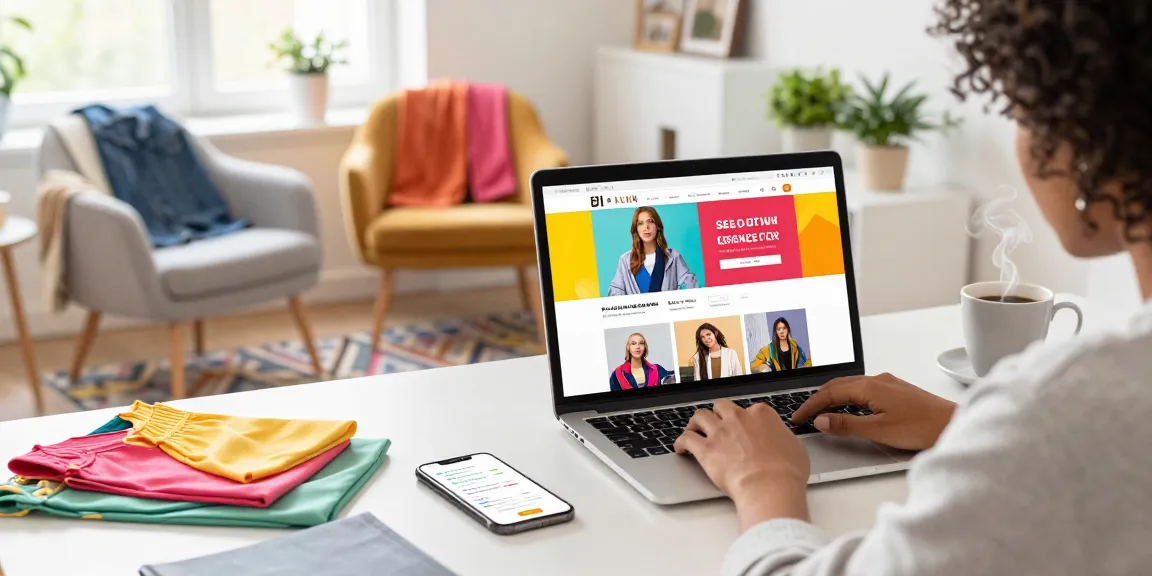
The Rise of Online Fashion Retail
The fashion industry has experienced a seismic shift in recent years, with online retail becoming the dominant force shaping how consumers shop. As we look toward 2026, understanding this evolution is critical for brands and consumers alike. Factors such as technological advancements, changing consumer preferences, and the rise of e-commerce platforms have driven this growth. To explore a deeper understanding of current trends and future predictions, click here for comprehensive insights.
Understanding Consumer Trends in 2026
By 2026, online shoppers will display unique preferences shaped by their experiences during the pandemic. As convenience continues to reign supreme, the demand for personalized shopping experiences will be paramount. This includes AI-driven recommendations that consider previous purchases, trends, and social influences. Moreover, the integration of augmented reality (AR) in shopping apps will allow consumers to visualize products in real-time, transforming the way they choose outfits.
How E-commerce is Reshaping the Fashion Industry
E-commerce platforms have democratized the fashion landscape, enabling small brands to compete with established giants. With the rise of DTC (direct-to-consumer) models, brands can engage directly with their customers, gathering data that informs their product offerings and marketing strategies. As a result, traditional retail is being challenged on multiple fronts, forcing brands to innovate and adapt rapidly to maintain their market positions.
Key Metrics for Measuring Online Fashion Success
Determining the success of an online fashion retailer involves analyzing several key performance indicators (KPIs). Metrics such as conversion rates, average order value, and customer acquisition costs are critical for assessing financial health. However, emerging metrics like customer lifetime value (CLV) and net promoter score (NPS) are becoming increasingly important as brands strive to cultivate lasting relationships with their customers.
Enhancing User Experience in Online Shopping
To stay competitive in the online fashion industry, enhancing user experience is essential. From the moment a customer lands on a website, every interaction should be seamless and intuitive. This not only involves ensuring the website is easy to navigate but also that it reflects the brand’s identity, fostering a connection with consumers that encourages them to return.
Impact of Website Design on Shopper Behavior
A well-crafted website design can significantly influence shopper behavior. Visual hierarchy, color psychology, and responsive design all play roles in guiding users through their shopping journey. Brands that prioritize aesthetic appeal alongside functionality can capture consumer attention, leading to higher engagement and conversions.
Best Practices for Streamlined Checkout Processes
The checkout experience is a critical juncture in the online shopping process. A complicated checkout can result in cart abandonment, a significant issue in the fashion e-commerce space. Best practices include minimizing the number of steps required to complete a purchase, offering guest checkout options, and providing clear information about shipping and returns upfront.
Mobile Optimization: Why It Matters
With over 70% of online shopping occurring on mobile devices, optimizing for mobile is no longer optional. Mobile-friendly websites not only improve user experience but also boost SEO rankings. Ensuring fast load times, easy navigation, and mobile-optimized images can significantly enhance the shopping experience for consumers who are increasingly on-the-go.
Effective Marketing Strategies for Fashion E-commerce
In a crowded marketplace, standing out requires strategic marketing efforts that resonate with target audiences. Fashion brands must leverage all available channels to create cohesive marketing strategies that span various platforms.
Utilizing Social Media to Drive Traffic
Social media has become a powerful tool for fashion e-commerce brands, enabling them to reach broader audiences organically or through targeted advertising. Platforms like Instagram and TikTok allow brands to showcase their products through engaging content, driving traffic back to their websites. Collaboration with popular influencers can also amplify reach and lend credibility to brands.
Email Marketing Campaigns That Convert
Email marketing remains one of the most effective marketing strategies for converting leads into customers. Personalized email campaigns that cater to individual preferences and behaviors can significantly increase engagement rates. Segmentation based on previous purchases or browsing history allows for tailored messaging that resonates with subscribers.
Influencer Collaborations and Their Impact
Partnering with influencers not only broadens brand exposure but also builds authenticity. Consumers increasingly trust recommendations from individuals they follow, making influencer collaborations a vital component of modern marketing strategies. Brands must select influencers whose values align with their own to create genuine partnerships that reflect positively on their image.
Challenges in the Online Fashion Space
As the online fashion industry continues to grow, it faces several challenges that retailers must address to thrive. Understanding these issues is essential for developing effective strategies to overcome them.
Addressing Returns and Customer Service Issues
Return policies can make or break a customer’s shopping experience. High return rates in the fashion industry necessitate clear, customer-friendly return policies to foster trust and loyalty. Additionally, effective customer service channels, such as live chat and social media support, are crucial for addressing consumer concerns swiftly and efficiently.
Managing Inventory and Supply Chain Efficiently
Effective inventory management is critical to meet consumer demand without overstocking. Brands need to adopt advanced analytics and inventory management systems that predict trends and optimize stock levels. Moreover, the supply chain must be agile enough to respond to fluctuating demand, particularly during peak shopping seasons.
Combatting Competition in a Saturated Market
With numerous brands vying for consumers’ attention, differentiation is key. Fashion retailers must identify their unique selling propositions (USPs) and communicate these effectively in their marketing efforts. Offering exclusive collections, limited-time offers, or innovative customer engagement strategies can help brands carve out a niche in the competitive landscape.
The Future of Fashion E-commerce Beyond 2026
As we look toward the future, the evolution of fashion e-commerce is poised to be influenced by emerging technologies, sustainability, and shifting consumer behaviors.
Emerging Technologies to Watch
Technology will continue to reshape the fashion landscape, with innovations such as 3D printing, AI, and blockchain gaining traction. 3D printing can revolutionize product customization, while AI can enhance customer service through chatbots and personalized shopping experiences. Furthermore, blockchain technology may improve supply chain transparency, enabling consumers to make informed purchasing decisions.
Sustainability Trends in Online Fashion
With increasing awareness of environmental issues, sustainability is becoming a pivotal focus for consumers. Fashion e-commerce brands must integrate sustainable practices within their operations, from sourcing materials to packaging and shipping. Brands that prioritize sustainability and communicate these efforts effectively will attract eco-conscious consumers, driving loyalty and brand preference.
Predictions for Consumer Behavior Shifts
Looking ahead, shifts in consumer behavior, such as preferences for second-hand shopping and rental services, are likely to become more prominent. Brands should adapt to these changes by offering upcycled products or rental options that cater to sustainability-minded consumers. Understanding these evolving preferences will be crucial for brands aiming to stay relevant in a fast-paced market.
What Are the Benefits of Click Here?
Looking into the advantages offered by services that help streamline the shopping experience can provide consumers valuable insights. The concept behind “click here” services often involves simplifying processes, offering curated collections, and providing tailored promotions that enhance the shopping experience.
Is Click Here Reliable for Fashion Shoppers?
Reliability is a core concern for online fashion shoppers. Services that facilitate easier navigation and offer verified reviews can enhance trust and encourage purchases. By ensuring that these platforms prioritize transparency and customer feedback, they can build a reputation as reliable resources for shoppers.
How to Maximize Value with Click Here Offers?
Maximizing value often entails utilizing offers intelligently. Shoppers should be informed about the best times to leverage discounts, understanding terms of use, and being aware of varying product availability. By seeking out unique deals and bundles, consumers can enhance their overall shopping experience.