10 Expert Tips for Designing Your Dream Home and Garden

Fundamentals of Home and Garden Design

Designing your home and garden is more than just an aesthetic endeavor; it’s about creating a harmonious environment that reflects personal style while meeting functional needs. Understanding the fundamentals of design allows you to transform spaces into inviting and productive areas.

Understanding Landscape Design Principles

Landscape design is the art of arranging the outside environment to create an aesthetically pleasing and functional area. Key principles include balance, proportion, and unity. Balance, for instance, can be achieved through symmetrical or asymmetrical arrangements of plants and structures. Proportion involves the relationship between different elements, ensuring that larger plants do not overpower smaller ones. Unity ties the design together, creating a cohesive look.

To illustrate, a well-designed garden might feature a pathway that leads to a focal point, such as a statue or a water feature, paired with plantings that complement the overall theme. For example, a Mediterranean garden might incorporate lavender, olive trees, and terracotta pots to create a warm, inviting atmosphere.

  • Balance: Use symmetry for formal gardens and asymmetry for more relaxed, natural settings.
  • Proportion: Choose plants of varying heights and sizes to create visual interest.
  • Unity: Select a color palette or theme that runs through your design.

Choosing the Right Plants for Your Climate

Selecting plants that thrive in your local climate is crucial for a successful garden. Understanding your hardiness zone helps you choose plants that will survive and flourish in your environment. For instance, USDA Hardiness Zones provide a guideline based on minimum winter temperatures, allowing gardeners to select plants that can withstand local conditions.

Consider native plants as they are adapted to the local environment and require less maintenance. For example, if you live in the southeastern United States, incorporating plants like the Eastern Redbud or Southern Magnolia can enhance your garden’s beauty while supporting local wildlife.

  • Research local conditions: Understand soil type, rainfall, and sunlight availability.
  • Choose native species: They require less water and are more resilient to pests.
  • Consider seasonal interest: Select plants that bloom at different times for year-round beauty.

Basic Home Decor Elements That Enhance Space

Home decor is pivotal in creating a welcoming atmosphere. The right elements can dramatically enhance your space. Start with color schemes; colors can influence mood and perception of space. Light colors tend to make rooms feel larger, while darker shades can add warmth and intimacy.

Furniture arrangement is another critical aspect. Arranging furniture to promote conversation and flow can significantly affect how a space is perceived. Additionally, incorporating textures and materials, such as wood, fabric, and metal, adds depth and interest. For example, a room with soft textiles, natural wood accents, and metallic fixtures can create a balanced and inviting space.

  • Color Schemes: Use light colors for small rooms to create the illusion of space.
  • Furniture Arrangement: Ensure pathways are clear and promote interaction.
  • Textures and Materials: Mix different materials for a more dynamic look.

Essential Gardening Techniques for Beginners

Starting a garden can be an incredibly rewarding experience. By understanding essential gardening techniques, beginners can cultivate a flourishing garden that not only beautifies their space but also provides food, herbs, and a sense of accomplishment.

Soil Preparation and Its Importance

Soil is the foundation of any garden, and proper soil preparation is crucial for plant health. Begin by testing your soil to understand its pH and nutrient levels. Many local extension services offer soil testing kits. Based on the results, you can amend your soil with organic matter, such as compost, to improve its structure and fertility.

Here’s a simple step-by-step guide to prepare your soil:

  1. Clear the area of weeds and debris.
  2. Test the soil for pH and nutrients.
  3. Add organic matter like compost or well-rotted manure.
  4. Till or turn the soil to mix amendments evenly.
  5. Level the soil and create planting beds.

Watering Methods and Best Practices

Watering is a fundamental aspect of gardening and can significantly affect plant growth. Understanding the best practices for watering ensures that plants receive adequate moisture without overwatering, which can lead to root rot and other issues. Early morning is generally the best time to water, allowing plants to absorb moisture before the heat of the day evaporates it.

Consider the following watering methods:

  • Drip Irrigation: Efficiently delivers water directly to the plant roots.
  • Soaker Hoses: A great option for garden beds, allowing slow absorption of moisture.
  • Hand Watering: Ideal for small gardens, allowing you to monitor water levels closely.

Introduction to Organic Gardening

Organic gardening emphasizes sustainability and environmental stewardship. This approach avoids synthetic fertilizers and pesticides, opting instead for natural alternatives. Organic gardening not only promotes healthier plants but also creates a safer environment for wildlife and beneficial insects.

Begin your organic garden by following these principles:

  • Soil Health: Focus on building healthy soil through composting and mulching.
  • Pest Management: Use companion planting and natural predators to control pests.
  • Crop Rotation: Rotate crops yearly to prevent soil depletion and reduce pest buildup.

Intermediate Home Improvement Projects

Once you’ve mastered the basics of home and garden design, you may want to tackle more intermediate home improvement projects. These projects not only enhance the functionality of your space but also increase property value.

Creating a Functional Outdoor Living Space

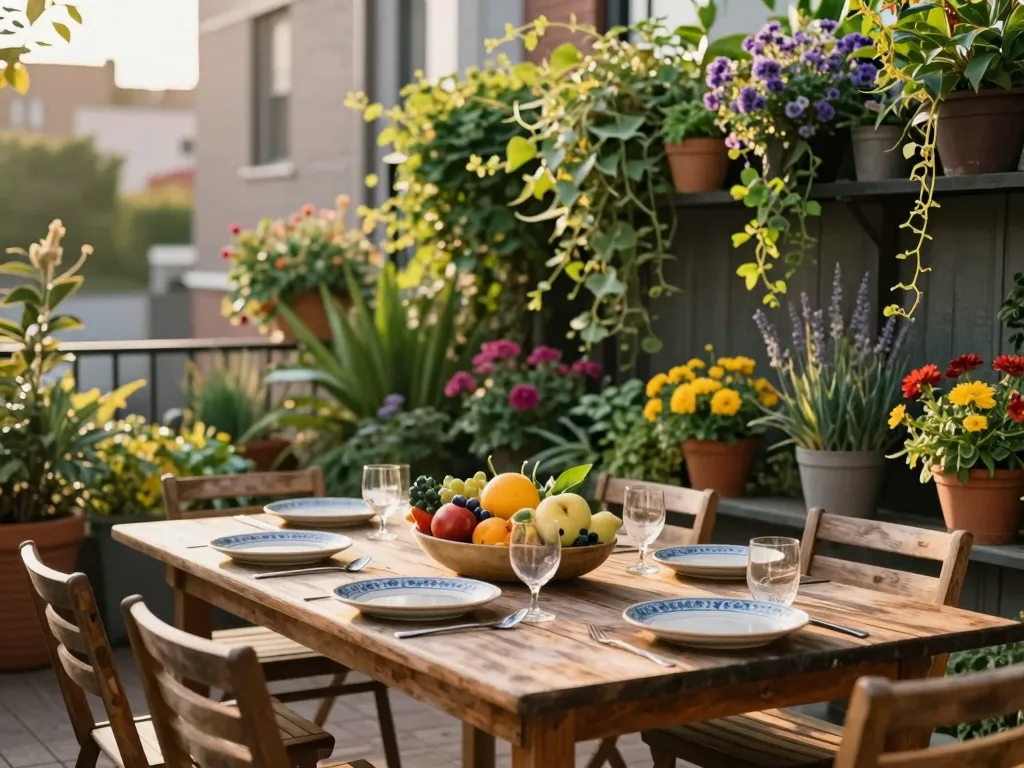
Outdoor living spaces extend your home’s usable area and encourage family gatherings, relaxation, and entertainment. To create a functional outdoor space, start by defining the area with landscaping, patios, or decks. Consider adding comfortable seating and a dining area to make it inviting.

Lighting is also essential; string lights or lanterns can add ambiance for evening gatherings. Incorporate elements like fire pits or outdoor kitchens for added functionality. A well-designed outdoor space can serve as an extension of your home.

  • Define the space: Use landscaping or furniture to create separate areas.
  • Add comfort: Include cushions, rugs, and blankets for a cozy atmosphere.
  • Implement lighting: Use a mix of ambient and task lighting for versatility.

Upcycling Furniture for Home Decor

Upcycling furniture is both an eco-friendly and cost-effective way to revamp your home decor. Transforming old furniture into new, functional pieces not only adds character to your space but also allows for personal expression. Start by choosing pieces that have good bones but might need a little TLC.

For example, an old dresser can be sanded down, painted, and converted into a chic TV stand. Consider these steps for successful upcycling:

  1. Select a piece with potential.
  2. Clean and prepare it for refinishing.
  3. Choose a color or finish that complements your decor.
  4. Consider adding new hardware for a modern touch.
  5. Seal the piece to protect it from wear and tear.

Implementing Smart Home Technology in Your Garden

Integrating smart home technology into your garden can enhance convenience and efficiency. From automated irrigation systems to smart lighting, technology can help streamline maintenance and improve plant care. For instance, smart sprinkler systems can adjust watering schedules based on weather forecasts, conserving water while ensuring plants receive adequate moisture.

Here are some smart gardening technologies to consider:

  • Smart Irrigation Controllers: Adjust watering schedules based on rainfall and humidity levels.
  • Soil Moisture Sensors: Monitor soil moisture levels to prevent overwatering.
  • Smart Garden Lights: Control lighting through an app for outdoor ambiance.

Advanced Landscaping Strategies

For those looking to take their landscaping skills to the next level, advanced strategies can lead to stunning outdoor spaces that are both beautiful and sustainable. These strategies often require in-depth knowledge of plants, environmental considerations, and design principles.

Designing Sustainable Gardens with Native Plants

Sustainable gardening practices emphasize the use of native plants, which are adapted to local conditions and support local ecosystems. Native plants often require less water and maintenance, making them an eco-friendly choice. When designing a sustainable garden, consider incorporating a variety of native species that provide habitat and food for local wildlife.

To create a sustainable garden:

  • Research local flora: Identify native plants that thrive in your area.
  • Diversity is key: Incorporate a mix of plants to support various wildlife.
  • Plan for growth: Consider how plants will grow and change over the seasons.

Integrating Water Features for Aesthetic and Ecological Benefits

Water features can enhance the beauty of your landscape while providing ecological benefits, such as attracting wildlife. Ponds, fountains, and waterfalls can create a focal point in your garden and offer soothing sounds that enhance the outdoor experience. Additionally, water features can support biodiversity by providing habitats for aquatic plants and animals.

When designing a water feature, consider:

  • Size and Scale: Ensure the water feature is proportional to the surrounding landscape.
  • Placement: Position the feature where it can be easily viewed and accessed.
  • Maintenance: Plan for regular maintenance to keep the feature clean and functional.

Advanced Irrigation Systems for Efficient Water Use

Advanced irrigation systems can significantly improve water efficiency in your garden. Drip irrigation and smart irrigation systems can deliver water directly to the roots of plants, minimizing waste. These systems can be programmed to adjust based on weather conditions, ensuring that plants receive just the right amount of water.

Implementing an advanced irrigation system involves:

  1. Assessing your garden layout to determine the best system.
  2. Choosing a system that fits your needs, whether drip, sprinkler, or smart technology.
  3. Installing the system according to manufacturer guidelines.
  4. Regularly monitoring and adjusting settings for optimal performance.

Seasonal Home and Garden Maintenance

Maintaining your home and garden throughout the seasons is essential for preserving their beauty and functionality. Seasonal maintenance tasks help prepare your space for upcoming weather changes, ensuring that both your indoor and outdoor environments remain inviting and healthy.

Preparing Your Home for Seasonal Changes

As seasons change, so do the needs of your home. Preparing your home for seasonal changes can prevent damage and improve energy efficiency. In the fall, for example, it’s essential to clean gutters and check for drafts to keep your home warm during winter. In the spring, consider inspecting your roof and windows for any damage that may have occurred over the winter.

Here are some seasonal preparation tips:

  • Fall: Clean gutters, check insulation, and seal windows and doors.
  • Winter: Ensure heating systems are functioning and check for pipe insulation.
  • Spring: Inspect for winter damage and prepare gardens for planting.
  • Summer: Maintain air conditioning units and prepare for outdoor entertaining.

Seasonal Planting and Harvesting Calendar

Understanding when to plant and harvest is crucial for maximizing your garden’s productivity. Each season presents unique opportunities for planting various vegetables, herbs, and flowers. A planting calendar can help you plan your garden efficiently. For instance, in early spring, you might plant peas, spinach, and onions, while summer is ideal for tomatoes, peppers, and cucumbers.

Consider this seasonal planting guide:

  • Spring: Peas, lettuce, radishes, and carrots.
  • Summer: Tomatoes, peppers, cucumbers, and squash.
  • Fall: Kale, broccoli, and garlic.
  • Winter: Plan for indoor herbs or cold frames for winter crops.

Winterizing Your Garden: Tips and Techniques

Winterizing your garden is essential to protect plants from harsh weather conditions. Preparing your garden for winter involves several steps to ensure its health come spring. Start by trimming back perennials and removing dead foliage to prevent disease. Mulching can provide insulation for roots and help retain moisture.

Follow these steps to winterize your garden:

  1. Clean up debris and fallen leaves to prevent pests.
  2. Cut back perennials and divide overcrowded plants.
  3. Add mulch to protect roots and suppress weeds.
  4. Consider covering delicate plants with burlap or a frost blanket.

Captivating Trends in Arts & Entertainment You Need to Know

Understanding the Foundations of Arts & Entertainment

The realms of arts and entertainment are woven into the very fabric of human existence. They not only provide enjoyment and leisure but also provoke thought, challenge societal norms, and inspire change. As we dive deeper into this multifaceted category, it becomes essential to understand the foundational roles that arts and entertainment play within society, the various forms they take, and how they have evolved over time.

The Role of Arts in Society

Arts have long been recognized as a vital element of culture and community. From ancient cave paintings to modern-day digital installations, art serves as a mirror reflecting societal values, struggles, and triumphs. It acts as a form of communication that transcends language barriers and speaks to shared human experiences.

One of the primary roles of arts in society is its ability to foster empathy and understanding. For example, theatre productions like “The Vagina Monologues” have sparked conversations about gender and sexuality, bridging gaps between different demographics. Additionally, public art installations, such as the “One World Trade Center” in New York, commemorate collective tragedies and triumphs, uniting communities in remembrance and healing.

  • Education and Awareness: Arts educate the public about various social issues, such as climate change, poverty, and discrimination.
  • Cultural Preservation: Artistic expressions preserve cultural heritage, ensuring that traditions and stories are passed down through generations.
  • Economic Impact: The arts industry contributes significantly to the economy, generating jobs and attracting tourism.

Defining Different Forms of Entertainment

Entertainment encompasses a wide array of activities designed to engage and amuse audiences. It includes everything from live performances to digital content. The evolution of technology has expanded the definition of entertainment, creating new avenues for creativity and audience interaction.

Common forms of entertainment include:

  • Live Performances: These comprise theater, concerts, and dance performances that offer audiences a shared experience.
  • Film and Television: The cinematic arts have become a dominant form of entertainment, with streaming platforms further revolutionizing content consumption.
  • Video Gaming: An industry worth billions, gaming combines storytelling, technology, and interactivity, appealing to diverse audiences.

Understanding these forms allows creators to tailor their work to meet audience expectations and cultural trends, ensuring relevance in an ever-evolving landscape.

The Evolution of Artistic Expression

Artistic expression is not static; it evolves alongside society, technology, and cultural shifts. Historically, movements like the Renaissance, Baroque, and Modernism have each redefined what art means, often in response to societal changes or technological advancements.

Today, we see a blending of traditional and contemporary forms. For instance, street art has emerged from the shadows of illicit expression to become a celebrated art form, as seen with artists like Banksy, who use public spaces to comment on social and political issues.

This evolution continues with the rise of multimedia art, combining visual mediums with technology, leading to immersive experiences. The integration of augmented reality (AR) and virtual reality (VR) into art exhibits is a prime example of how artistic expression is pushing boundaries.

Exploring Various Art Forms

The arts encompass a plethora of forms, each with its own techniques, styles, and cultural significance. By delving into these forms, we can appreciate the diverse methods of expression and the unique voices they embody.

Visual Arts: Techniques and Styles

Visual arts include a range of creative expressions, from painting and sculpture to photography and digital art. Each medium has its own techniques and styles that artists employ to convey their messages.

For instance, traditional painting techniques like oil and watercolor provide different textures and depths, while modern techniques, such as digital painting, allow for experimentation with color and form. Artists like Yayoi Kusama, known for her polka dots and infinity rooms, have pushed the boundaries of visual arts, integrating concepts of infinity and obsession into their work.

Popular styles in visual arts include:

  • Impressionism: Focuses on capturing light and movement, often using loose brushwork.
  • Abstract Art: Breaks away from traditional representation, emphasizing color and form.
  • Surrealism: Explores the subconscious, creating dream-like scenarios.

Each style represents a unique approach to artistic expression, allowing artists to communicate their thoughts and emotions effectively.

Performing Arts: Theater, Dance, and Music

The performing arts are dynamic forms of expression that involve live performances before an audience. This category includes theater, dance, and music, each with its own traditions and innovations.

Theater, for example, has a rich history that dates back to ancient Greece. Modern theatrical productions often employ various genres, from drama to comedy, addressing contemporary issues. The rise of immersive theater, where audiences participate in the performance, showcases the evolving nature of this art form.

Dance, whether ballet, hip-hop, or contemporary, serves as a powerful medium for storytelling and emotional expression. Companies like the Alvin Ailey American Dance Theater blend cultural heritage with modern choreography, creating performances that resonate with diverse audiences.

Music, in its various forms, transcends language and cultural barriers. The digital age has revolutionized how music is created and consumed, with platforms like Spotify and Apple Music changing the landscape of the music industry.

Digital Arts: Trends in Multimedia and Technology

The digital arts have emerged as a significant category, encompassing everything from graphic design and animation to interactive installations. With the advent of technology, artists are exploring new mediums that were previously unimaginable.

Trends in digital arts include:

  • Virtual Reality Art: Artists create immersive experiences that allow viewers to engage with their work in a three-dimensional space.
  • Augmented Reality: Blends digital elements with the real world, enhancing the way audiences interact with art.
  • Generative Art: Utilizes algorithms and computer programming to create artworks, challenging traditional notions of authorship.

These advancements not only expand the possibilities of artistic expression but also challenge audiences to engage with art in new and innovative ways.

Analyzing Cultural Impact and Trends

The intersection of arts and culture reveals much about societal values, identities, and the ways these evolve. As cultural contexts shift, so do the artistic expressions that emerge from them, making it vital to analyze these trends and their implications.

How Arts Reflect Cultural Identity

Art serves as a conduit for cultural identity, allowing communities to express their unique experiences and histories. Artists often draw upon their cultural backgrounds to inform their work, resulting in pieces that resonate deeply with audiences.

For instance, the works of Frida Kahlo reflect her Mexican heritage and personal struggles, blending indigenous culture with surrealism. Similarly, the rise of African American artists during the Harlem Renaissance highlighted the rich cultural contributions of Black Americans, paving the way for future generations.

In contemporary society, movements like Black Lives Matter have prompted artists to use their platforms to address issues of racial injustice, creating works that challenge systemic inequalities.

Influence of Social Media on Entertainment Choices

Social media has transformed the entertainment landscape, influencing how audiences consume and engage with content. Platforms like Instagram, TikTok, and YouTube have become essential tools for artists and entertainers to showcase their work and connect with fans.

For example, TikTok has launched numerous music careers, with songs going viral often due to user-generated content. Artists like Lil Nas X gained fame through viral challenges, demonstrating the power of social media in shaping musical success.

Moreover, social media allows for real-time feedback and interaction, creating a more engaged audience. This shift has prompted creators to consider audience preferences when developing their content, leading to more personalized experiences.

Current Trends in Global Artistic Movements

Artistic movements are constantly evolving, influenced by global events, technological advancements, and cultural shifts. Currently, several trends are shaping the global arts landscape:

  • Environmental Art: Artists are increasingly addressing climate change and environmental issues through their work, using art as a platform for activism.
  • Diversity and Inclusion: There is a growing emphasis on representing diverse voices and perspectives within the arts, leading to a richer cultural dialogue.
  • Interdisciplinary Collaborations: Artists are merging different disciplines, blending visual arts with performance and technology to create multifaceted experiences.

These trends not only reflect the current societal climate but also push the boundaries of what art can achieve, fostering dialogue and encouraging change.

Creating and Promoting Arts & Entertainment Projects

The creation and promotion of arts and entertainment projects require a combination of creativity, strategy, and understanding of the industry. From conceptualization to execution, each step is crucial for success.

Developing a Creative Concept: From Idea to Execution

Every successful arts project begins with a solid concept. This involves brainstorming ideas, identifying target audiences, and determining the message the project aims to convey.

Here’s a step-by-step guide to developing a creative concept:

  1. Brainstorm Ideas: Gather a group of creative individuals to discuss themes, emotions, and messages you want to explore.
  2. Research Your Audience: Understand who your project is for and what resonates with them. Conduct surveys or focus groups if necessary.
  3. Define the Message: Clearly articulate what you want to communicate through your project. This will guide all subsequent decisions.
  4. Create a Project Outline: Develop a detailed plan that includes timelines, resources, and budget estimates.
  5. Gather Feedback: Share your concept with trusted peers or mentors for constructive critique before moving forward.

By following these steps, artists can ensure their projects are well thought out and have a higher chance of success.

Marketing Strategies for Artists and Entertainers

Effective marketing is crucial for artists and entertainers looking to reach their audience and build a brand. Here are several strategies to consider:

  • Build a Strong Online Presence: Create a professional website and utilize social media platforms to showcase your work and connect with audiences.
  • Engage with Your Audience: Foster relationships through regular updates, behind-the-scenes content, and interactive posts that encourage audience participation.
  • Collaborate with Other Artists: Team up with fellow creators to cross-promote each other’s work, expanding your reach and visibility.
  • Utilize Email Marketing: Build an email list to keep fans informed about upcoming projects, events, and exclusive content.

By employing these strategies, artists can enhance their visibility and cultivate a loyal following.

Utilizing Crowdfunding for Arts Projects

Crowdfunding has become a popular method for artists and entertainers to finance their projects. Platforms like Kickstarter and Indiegogo allow creators to present their ideas to the public and receive financial support from backers.

Here’s how to effectively utilize crowdfunding:

  1. Define Your Goal: Clearly outline how much funding you need and what it will be used for. Transparency builds trust with potential backers.
  2. Create a Compelling Pitch: Develop a captivating video or written pitch that explains your project, its significance, and why it deserves support.
  3. Offer Rewards: Incentivize backers by offering tiered rewards, such as exclusive merchandise, behind-the-scenes access, or one-on-one experiences.
  4. Promote Your Campaign: Use social media, email marketing, and community outreach to spread the word about your crowdfunding campaign.

By following these steps, artists can successfully raise funds and build a community of supporters around their work.

Navigating the Business of Arts & Entertainment

The arts and entertainment industry is not just about creativity; it also involves navigating complex business landscapes. Understanding the commercial aspects is crucial for long-term success.

Understanding Copyright and Intellectual Property

Copyright and intellectual property are vital components of the arts and entertainment sector, ensuring that creators retain control over their work. Understanding these concepts helps protect artists and their creations from unauthorized use.

Key points to consider include:

  • Copyright Registration: Registering your work provides legal protection and establishes ownership, allowing you to take legal action against infringement.
  • Licensing Agreements: These agreements allow others to use your work under specified terms, providing a revenue stream while retaining ownership.
  • Fair Use Doctrine: Familiarize yourself with the concept of fair use, which permits limited use of copyrighted material without permission under certain conditions.

By understanding these principles, artists can better protect their work and navigate the legal landscape of the industry.

Building a Career in the Arts: Opportunities and Challenges

Building a career in the arts can be both rewarding and challenging. Opportunities abound but require persistence and adaptability. Here are some strategies for success:

  • Diversify Your Skill Set: Continuously learn and develop new skills, whether through formal education or self-study, to stay competitive.
  • Seek Representation: Agents and managers can help you navigate the industry, providing valuable connections and opportunities.
  • Be Open to Collaboration: Collaborating with other artists can lead to innovative projects and broaden your network.
  • Stay Resilient: The arts industry can be unpredictable; resilience and a positive mindset are essential for overcoming obstacles.

By applying these strategies, aspiring artists can carve out a successful career path in the arts.

Networking and Collaborations in the Arts Industry

Networking is a crucial aspect of building a successful career in the arts and entertainment sector. Establishing relationships with fellow artists, industry professionals, and audiences can open doors to new opportunities.

Here are effective ways to network in the arts industry:

  • Attend Industry Events: Participate in art exhibitions, film festivals, and music events to meet like-minded individuals and expand your network.
  • Join Professional Organizations: Organizations such as the American Alliance of Museums or the Screen Actors Guild provide resources and networking opportunities for artists.
  • Utilize Online Platforms: Websites like LinkedIn and industry-specific forums can connect you with professionals and potential collaborators.
  • Follow Up: After meeting someone, follow up with a personalized message expressing your appreciation and interest in staying connected.

Building a robust network can lead to collaborations, mentorship opportunities, and career advancements in the arts and entertainment industry.