The Therapeutic Benefits of Coloring Books
In the fast-paced world we live in, the simple act of coloring has re-emerged as a powerful tool for mental well-being and creative expression. Coloring books, once deemed as merely children's toys, have gained recognition for their therapeutic benefits across all age groups. Whether as a form of stress relief or a method to enhance mindfulness, engaging with coloring books provides us with a respite from our daily lives. When exploring options, Coloring Books offer comprehensive insights into how this enjoyable pastime can foster emotional resilience and promote relaxation.
Understanding Art as Therapy
Art therapy, which utilizes creative processes to improve mental health, has been increasingly embraced by therapists and mental health professionals. The incorporation of coloring as a therapeutic practice underscores the significance of creativity in emotional healing. By allowing individuals to express thoughts and feelings through color and design, coloring books become a medium for cathartic release. The structured activity of coloring helps to focus the mind, redirecting attention away from stressors while encouraging self-expression.
Stress Relief Through Coloring
Numerous studies have indicated that engaging in art can substantially reduce stress levels. Coloring provides a sense of accomplishment and satisfaction, which contributes to the release of dopamine—a neurotransmitter that plays a key role in feelings of pleasure and motivation. Regular involvement in coloring can lead to a decrease in anxiety, tension, and stress-related symptoms, offering a calm oasis in the chaotic landscape of modern life.
Mindfulness and Focus in Creative Activities
Mindfulness, a practice that encourages presence and awareness, can be easily integrated into coloring. By concentrating solely on the act of coloring and the sensations associated with it, individuals can cultivate a mindful state. This focus on the present moment not only boosts concentration but also assists in developing emotional resilience. As users explore intricate designs and vibrant colors, they may experience a meditative state—a perfect antidote for busy minds.
Exploring the Different Types of Coloring Books
Coloring books have evolved significantly over the years, diversifying to meet the needs and interests of various audiences. The selection ranges from those designed for children to elaborate creations meant for adults. This variety allows individuals to select books that resonate with their personal tastes and therapeutic needs. Understanding the differences among these options can enhance the overall coloring experience.
Adult Coloring Books vs. Children's Options
While children's coloring books often feature simple images and familiar characters, adult coloring books tend to present intricate patterns and themed artwork—such as mandalas, nature scenes, and abstract designs. The complexity of adult coloring aids in mindfulness as it requires greater focus and concentration, providing a pathway for stress relief that appeals to adults navigating their busy lives.
Themed Coloring Books for Various Interests
Themed coloring books are another avenue for personal expression and connection. Categories can include everything from animals, nature, and fantasy worlds to pop culture themes, motivational quotes, and more. These specialized books allow users to engage with subjects they are passionate about, making the coloring experience not only enjoyable but deeply personal.
How to Choose the Right Coloring Book for You
Selecting the right coloring book can enhance your experience. Consider the following tips:
- Interests: Choose a theme that resonates with you, whether it's nature, mandalas, or abstract art.
- Complexity: Assess your comfort level with intricate designs; opt for simpler images if you're new to coloring.
- Quality: Look for books with thick pages that can handle various coloring tools without bleed-through.
Techniques for Getting the Most Out of Coloring Books
Maximizing the benefits of coloring requires not just choosing the right book but also employing effective coloring techniques. Whether you're a novice or an experienced colorist, certain strategies can elevate your coloring sessions.
Choosing the Right Tools for Your Coloring Experience
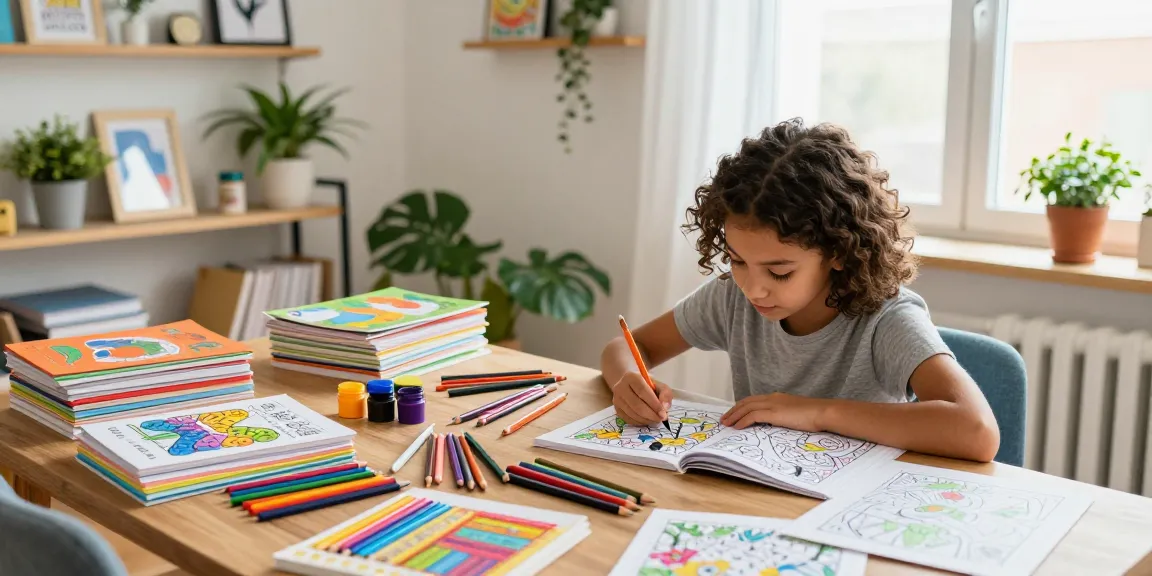
The selection of coloring tools is vital; markers, colored pencils, and gel pens offer different experiences and effects. Each medium has its unique qualities that can influence the outcome of your coloring project. For example, colored pencils allow for blending and layering, while markers provide vibrant colors that can make designs pop.
Color Blending and Shading Techniques
Blending and shading can add depth and dimension to your artwork. Lightly layering colors, varying the pressure on your tool, and using colorless blenders are all techniques that can enhance your finished piece. Experimenting with these methods can yield stunning results and enhance your confidence as a colorist.
Incorporating Other Art Forms into Coloring
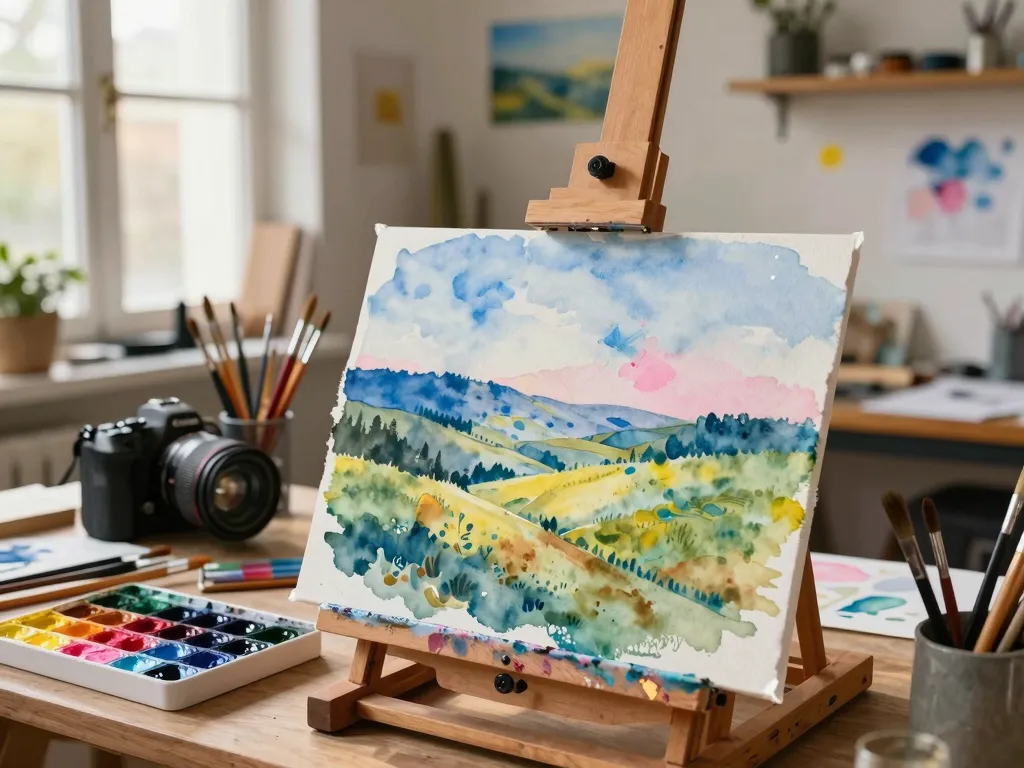
Coloring does not have to be a solitary or isolated practice. Many individuals enjoy merging it with other art forms, such as drawing, painting, or mixed media. Consider adding personal drawings to colored backgrounds or incorporating watercolors for a unique spin. This creative cross-pollination can open new avenues for artistic expression.
Coloring Books in Modern Culture
The resurgence of coloring books in contemporary culture highlights their multifaceted appeal. They are no longer viewed solely as children's pastimes but rather as legitimate therapeutic tools and creative outlets for adults.
The Rise of Adult Coloring Book Popularity
Since the rise of adult coloring books in the early 2010s, sales have skyrocketed, reflecting a growing recognition of their benefits. The proliferation of books designed specifically for adults speaks to people’s desire for relaxation and creative engagement. Bookshops and online marketplaces now offer vast selections catering to diverse interests and skill levels.
Coloring Books in Social Media and Online Communities
Social media platforms have played a significant role in popularizing coloring as a form of artistic expression. Many online communities share completed works, coloring tips, and techniques. These platforms foster a sense of community among colorists, encouraging collaboration and the exchange of ideas that can enrich the coloring experience.
Coloring Events and Workshops Around the World
Coloring events and workshops are increasingly common, providing dedicated spaces for enthusiasts to come together. These gatherings often include expert-led sessions that teach new techniques, foster community, and encourage emotional connection through art. Whether at a local community center or in global cities, these events highlight the emerging cultural significance of coloring books.
Future Trends in Coloring Books for 2026 and Beyond
As we move forward, the world of coloring books continues to evolve, driven by technology and cultural trends. Here are emerging themes and innovations expected to shape the future of coloring books.
Digital Coloring Books and Apps
The rise of digital technology has birthed a new generation of coloring books. Apps now allow users to color digitally, providing endless color combinations and the ability to share creations instantly. These platforms often feature interactive elements, including relaxation music and guided meditation prompts, further enhancing the user experience.
Environmental Considerations in Coloring Book Production
With growing awareness of environmental issues, the production of coloring books is undergoing significant changes. Eco-friendly materials, such as recycled paper and plant-based inks, are becoming more prevalent, appealing to environmentally conscious consumers. These options not only reduce the ecological impact but also promote sustainability within the art community.
Innovative Themes and Collaborations in Coloring
Themed coloring books continue to push boundaries, often collaborating with popular franchises, artists, and cultural icons. Such partnerships can offer unique artistic perspectives while attracting diverse audiences. Expect to see an influx of collaborative projects that bridge the gap between traditional coloring and modern artistic expressions.
What are the health benefits of coloring books?
Coloring books have been shown to improve mental health by reducing stress, enhancing focus, and stimulating creativity. They offer therapeutic benefits, helping individuals process emotions and provide a safe space for expression.
How can coloring books enhance creativity?
Engaging with coloring books fosters creativity by encouraging individuals to explore color combinations and artistic techniques. This exploration can inspire users to create their original artwork, enhancing their overall creative expression.
Which coloring books are best for adults?
The best coloring books for adults typically feature intricate designs and themes that resonate with their interests, such as nature, abstract patterns, or inspirational quotes. Look for high-quality paper and a variety of complexity levels to suit your preferences.
Can coloring books help with anxiety and stress?
Yes, coloring books can help alleviate anxiety and stress by providing a calming and meditative activity. The focus required to color allows individuals to escape their worries, promoting relaxation and emotional well-being.
What tools should I use with coloring books?
Choosing the right tools is crucial for a satisfying coloring experience. Colored pencils, gel pens, and markers all offer distinct advantages. Experiment with different mediums to find the ones that resonate with your style and desired effects.