
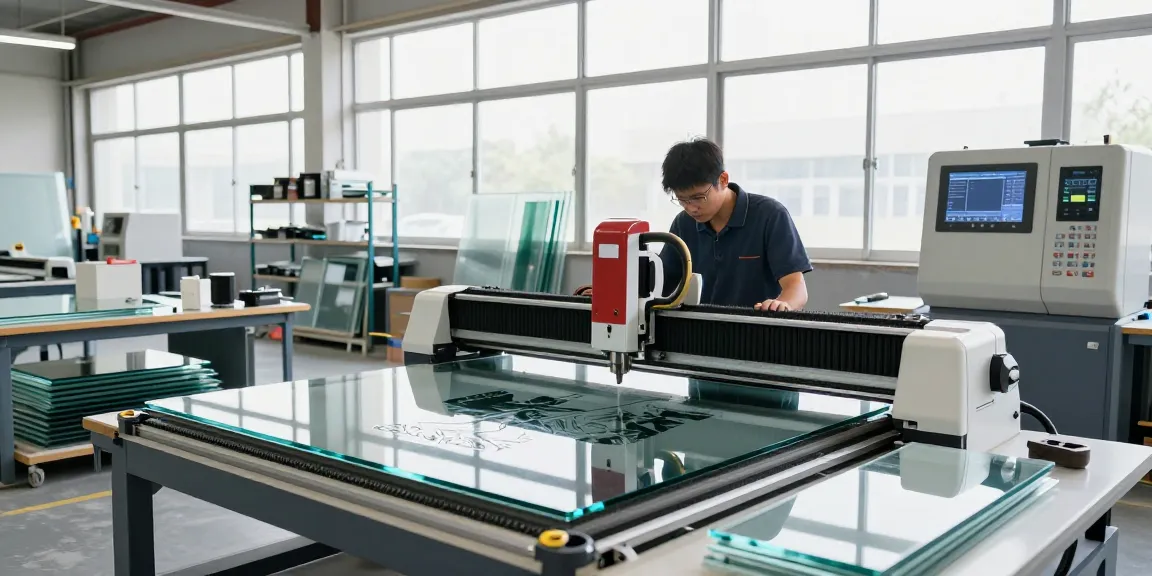
Understanding CNC Glass Cutting Technology
CNC (Computer Numerical Control) glass cutting technology has revolutionized the glass processing industry by enhancing efficiency and precision. By utilizing advanced software and automated machinery, manufacturers can achieve intricate cuts and designs that were once only possible through manual labor. This technology is not only ideal for large-scale production but also beneficial for small operations, offering a versatile solution for various glass cutting needs. When exploring options, cnc glass cutting machine can provide comprehensive insights into available solutions tailored to your business requirements.
What Is a CNC Glass Cutting Machine?
A CNC glass cutting machine is an automated device that uses computer software to dictate the movement of cutting tools, allowing for precise cuts on glass sheets. These machines can handle different types of glass, including float glass, tempered glass, and laminated glass. The precision of CNC machines significantly reduces waste and enhances the overall quality of the finished product. Users can input specific dimensions and shapes, enabling the machine to execute complex cuts with minimal human intervention.
How CNC Technology Benefits Glass Processing
The advantages of CNC technology in glass processing are manifold. First and foremost, it enhances precision, allowing for intricate designs that reflect the specifications provided by customers. Additionally, CNC machines can increase production efficiency by enabling faster turnaround times. Labor costs are reduced since the need for manual cutting is diminished, and the potential for human error is significantly lowered. Furthermore, these machines can easily be reprogrammed to adjust to different projects, making them incredibly versatile in a production environment.
Key Components of CNC Glass Cutting Systems
A typical CNC glass cutting system consists of several critical components: the cutting head, control software, and a supporting framework. The cutting head is equipped with various tools such as diamond blades and water jets, which are essential for achieving clean cuts. The control software is where the design and cutting parameters are inputted, allowing for customization based on the required specifications. Lastly, the supporting framework ensures stability and precision during the cutting process, accommodating different glass thicknesses and sizes.
Advantages of Using CNC Glass Cutting Machines
Enhanced Precision and Accuracy
CNC glass cutting machines provide unmatched precision, which is essential in industries requiring high-quality finishes. With the ability to cut glass to exact specifications, these machines minimize the variance often associated with manual cutting methods. The enhancements in accuracy help fabricators produce parts that fit correctly, reducing the need for additional finishing processes that can be time-consuming and costly.
Increased Production Efficiency
Time is of the essence in manufacturing, and CNC machines significantly boost production efficiency. These machines automate repetitive tasks and can operate continuously without fatigue. Operators can set up jobs quickly, allowing for multiple runs with minimal downtime. As a result, businesses can meet higher demand without compromising the quality of their products.
Cost-Effectiveness Over Time
While the initial investment in CNC technology may be substantial, the long-term benefits often outweigh the costs. Companies can expect to see savings through reduced labor costs and lower material waste. Additionally, the precise nature of CNC cutting leads to higher quality products, which can enhance customer satisfaction and repeat business. Over time, these factors contribute to a solid return on investment.
Best Practices for Operating CNC Glass Cutting Machines
Setup and Calibration Procedures
Proper setup and calibration are crucial for achieving optimal performance from CNC glass cutting machines. Before commencing operation, operators should ensure that the machine is aligned correctly and that all components, such as the cutting head and support frames, are secure. Regular calibration based on the manufacturer’s guidelines can help maintain accuracy and prolong the lifespan of the machine.
Regular Maintenance for Longevity
Routine maintenance is essential to keep CNC glass cutting machines in optimal working condition. This includes cleaning cutting heads, checking for wear and tear, and inspecting electrical components. Scheduled maintenance not only extends the lifespan of the machinery but also prevents costly downtimes caused by unexpected breakdowns. Implementing a preventive maintenance schedule is highly recommended.
Safety Measures When Handling Glass
Safety is paramount in any glass processing operation. Operators should wear appropriate personal protective equipment (PPE), including gloves, safety glasses, and steel-toed boots. It’s also crucial to follow safety protocols when loading and unloading materials from the CNC machine to prevent accidents. Creating a culture of safety within the workplace can significantly reduce risks associated with glass handling.
Choosing the Right CNC Glass Cutting Machine for Your Business
Factors to Consider When Selecting a Machine
When selecting a CNC glass cutting machine, several factors should be taken into account. These include the types of glass you will be cutting, the thickness and size of the glass sheets, and the complexity of your designs. Additionally, assess your production volume needs to ensure the machine can handle your workload effectively. Choosing a machine with software that aligns with your current design processes can also streamline operations.
Comparing Different Models and Brands
With numerous manufacturers producing CNC glass cutting machines, it is essential to compare different models and brands. Review the specifications, capabilities, and customer reviews for each machine. Look for features that enhance usability, such as intuitive software interfaces, easy maintenance options, and robust customer support. Engaging with existing users can provide valuable insights into the machine’s performance in real-world settings.
Real-World Examples: Success Stories from the Industry
Many businesses have successfully integrated CNC glass cutting technology into their operations, leading to remarkable improvements in efficiency and product quality. For example, a medium-sized glass fabricator reported a 40% reduction in scrap materials after implementing a CNC glass cutting machine, while also decreasing their production time by 30%. These success stories exemplify the potential impact of investing in advanced glass processing technology.
The Future of CNC Glass Cutting Machines in 2026 and Beyond
Emerging Technologies Impacting Glass Processing
The future of CNC glass cutting technology looks promising, with advancements in artificial intelligence and machine learning poised to revolutionize the industry. These technologies can enhance machine capabilities, enabling them to learn from previous cutting patterns and improve their accuracy and efficiency over time. Additionally, the integration of IoT (Internet of Things) can facilitate real-time monitoring and remote diagnostics, ensuring that machines operate at optimal levels.
Trends in Customization and Automation
As customer demands evolve, the trend towards customization in glass products is becoming increasingly prevalent. CNC machines that can adapt to varying project specifications without requiring extensive reconfiguration will be highly sought after. Automation will also play a critical role in managing production workflows, reducing the need for manual input, and allowing operators to focus on higher-value tasks.
Predictions for Industry Growth and Evolution
Industry analysts anticipate continued growth in the CNC glass cutting sector, driven by the increasing demand for customized glass products in construction and design applications. Companies investing in cutting-edge technology and automation solutions will likely see significant market advantages as competition intensifies. As these innovations become more accessible, even small businesses can leverage CNC technology to enhance their product offerings and operational efficiency.
What are the key features of a CNC glass cutting machine?
Key features of a CNC glass cutting machine typically include multiple cutting tools, advanced control software, automatic calibration systems, and the ability to handle different glass types and sizes. Additional features may involve safety mechanisms, data logging capabilities, and user-friendly interfaces.
How does CNC technology improve glass cutting efficiency?
CNC technology enhances glass cutting efficiency by automating the cutting process, which reduces manual labor, increases speed, and minimizes errors. This leads to smoother operations and allows for high-volume production without sacrificing quality.
What maintenance is required for CNC glass cutting machines?
Regular maintenance for CNC glass cutting machines includes cleaning cutting heads, lubricating moving parts, tightening screws and bolts, and checking electrical connections. Following the manufacturer’s recommended maintenance schedule is vital for ensuring optimal performance.
Are CNC glass cutting machines suitable for small businesses?
Yes, CNC glass cutting machines are suitable for small businesses, especially those looking to enhance their production capabilities and offer more complex designs. While the upfront cost may be a consideration, the efficiency gains and reduction in labor costs can provide a strong return on investment.
What safety measures should be followed when operating CNC machines?
Safety measures include using personal protective equipment, ensuring all operators are trained on machine operation, and maintaining a clean workspace free of hazards. Regular safety audits and adherence to maintenance schedules can help prevent accidents.